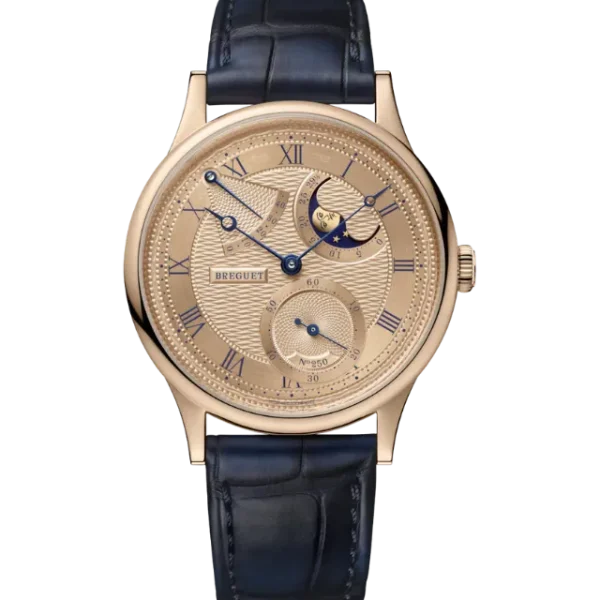
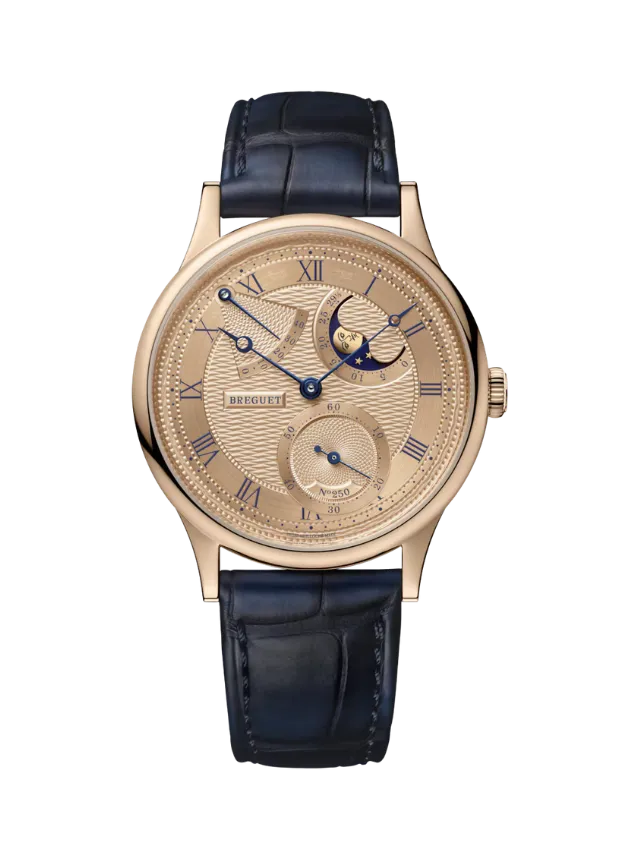
Experience Points Power of Heritage and Technology in TAG Heuer Watches
TAG Heuer watches carry a heritage that dates to 1860. Edouard Heuer founded his manufacture in Saint-Imier, Switzerland, with precision and timing at the centre of every decision. The brand’s first stopwatch patent arrived in 1887, setting the standard for precision sports timekeeping.
Time Avenue is an official authorised dealer for TAG Heuer watches in India. Based in Bandra West, Mumbai, the boutique has operated since 1998 with 27 years of expertise in luxury horology. Every TAG Heuer timepiece purchased here carries the official international manufacturer warranty.
TAG Heuer watches at Time Avenue span four principal collections: the Carrera, Formula 1, Aquaracer, and Link. These cover chronograph, sports, and dress categories for men and women. The full range is available at the Bandra West boutique and for purchase online across India.
TAG Heuer Watches for Men and Women
The TAG Heuer portfolio at Time Avenue covers both men and women, with dedicated sizing, dial configurations, and bracelet options. The manufacture designs timepieces for professional, social, and active occasions without compromising on Swiss precision. Time Avenue stocks the complete men’s and women’s range at the Bandra West boutique and online.
TAG Heuer Watches for Men
TAG Heuer watches for men are available across the Carrera, Formula 1, Aquaracer, Monaco, and Autavia collections at Time Avenue. Case sizes cover 39mm, 41mm, and 44mm across different models. Movement options include automatic, quartz, and solar-powered calibres.
A TAG Heuer wrist watch for men suits the professional environment as well as active and outdoor contexts. The depth of the collection means there is a relevant model across most lifestyles and wearing preferences. The Time Avenue team provides guidance to arrive at the right choice.
TAG Heuer Watches for Women
TAG Heuer produces dedicated women’s models across the Carrera and Aquaracer collections. These timepieces feature case sizes of 29mm to 36mm, with mother-of-pearl dial options and stainless steel bracelet configurations. The refined proportions and polished finishes make them well suited to formal and social occasions.
TAG Heuer Watch Collections at Time Avenue
Time Avenue stocks the core TAG Heuer portfolio across four principal collections, each with a distinct heritage and design language. The range extends further through limited edition and sports-specific pieces. The collections below represent the primary TAG Heuer portfolio available at the boutique.
TAG Heuer Carrera
The TAG Heuer Carrera takes its name from the Carrera Panamericana, one of motor racing’s most demanding events. Launched in 1963, it is built on chronograph complications and motorsport-grade precision.
Time Avenue stocks the complete carrera watch range in stainless steel, ceramic, and titanium. Case sizes run across 38mm, 41mm, and 44mm in automatic and chronograph configurations.
TAG Heuer Formula 1
The TAG Heuer Formula collection launched in 1986, born from TAG’s partnership with McLaren-Porsche in the Formula 1 World Championship. Bold dial colours, sporty proportions, and robust construction define the range.
Available in quartz, automatic, and solar-powered movements, the Formula 1 suits active and everyday wear alike. Case sizes are available between 36mm and 44mm for men and women.
TAG Heuer Aquaracer
The Tag Heuer Aquaracer is TAG Heuer’s professional dive watch collection, first produced in 1978 and comprehensively redesigned in 2021. The Professional 200 offers 200 metres of water resistance; the Professional 300 variant extends this to 300 metres.
A Solargraph variant powered by solar energy is part of the current line-up. Time Avenue stocks the Aquaracer in stainless steel and titanium across a range of dial and bracelet options.
TAG Heuer Link
The Tag Heuer link is defined by its curved S-shaped link bracelet, a design patented by Jack Heuer in 1987. This ergonomic architecture moulds naturally to the wrist, making the Link one of the brand’s most comfortable extended-wear pieces.
Available for men and women in automatic and quartz movements, the Link suits professional and casual settings alike. Stainless steel cases with polished and brushed finish combinations are standard across the collection.
TAG Heuer Limited Edition and Sports Watches
TAG Heuer produces a consistent programme of TAG Heuer limited edition watches, including collaborations with Porsche and Red Bull Racing. These pieces are manufactured in numbered series, each with official brand certification. They are available exclusively through authorised dealers; Time Avenue holds authorised editions subject to stock.
TAG Heuer sports watches, specifically the Aquaracer and Formula 1, are built to professional functional specifications, not purely aesthetic ones. The Aquaracer meets ISO 6425 diver watch criteria; the Formula 1 draws on motorsport-grade durability standards. Contact the Time Avenue boutique for current availability on specific models.
TAG Heuer Watch Price in India
TAG Heuer watch price at Time Avenue reflects official India authorised dealer rates, with no grey-market or parallel import sourcing. The collection spans sports, dress, and chronograph categories across a broad price range. All purchases include the official manufacturer warranty and home delivery across India.
TAG Heuer Watch Starting Price
The TAG Heuer watch starting price in India is approximately Rs. 2,10,000, corresponding to the Formula 1 collection. The Aquaracer Professional 200 begins at approximately Rs. 2,88,000. Both represent official authorised dealer prices at Time Avenue.
TAG Heuer Watches Price in India by Collection
TAG Heuer watches price in India varies by collection, movement type, and case material. The Carrera collection begins at approximately Rs. 3,16,000, with the Monaco chronograph starting above Rs. 10,56,000. Specific current pricing is confirmed at the Time Avenue boutique upon enquiry.
Why Buy TAG Heuer Watches from Time Avenue?
Time Avenue has been a trusted name for TAG Heuer watches in India for over 27 years. The boutique operates as an official authorised dealer in Bandra West, Mumbai, with national reach through e-commerce. Purchasing from an authorised source confirms every timepiece’s provenance and entitles the buyer to full brand support.
Official Authorised Dealer Status
Time Avenue holds official authorised dealer status for TAG Heuer in India. Every TAG Heuer watch sold at the boutique is sourced directly from the brand through authorised channels. Purchases come with registered warranty documentation, which serves as verifiable proof of authentic sourcing.
27 Years of Horological Expertise
Time Avenue has operated as a luxury watch boutique since 1998, accumulating 27 years of expertise in Swiss horology. The team carries in-depth knowledge across 15 authorised Swiss watch brands. Every consultation draws on this expertise to help clients buying TAG Heuer watches in India make the right choice.
Official Manufacturer Warranty on Every Purchase
All TAG Heuer watches sold at Time Avenue include the official TAG Heuer international manufacturer warranty. The warranty is backed directly by the brand and covers mechanical defects. Time Avenue manages the process on behalf of clients without any third-party involvement.
Nationwide Home Delivery Across India
Time Avenue delivers TAG Heuer watches in India to clients across all major cities with insured home delivery. Clients outside Mumbai can complete their transaction through the boutique’s online platform. Secure delivery is arranged for every online order, covering all major cities and metros.
In-Person Consultation at the Bandra West Boutique
The Time Avenue boutique in Bandra West, Mumbai, is open for in-person consultation daily between 11 AM and 7 PM. The team provides guided viewings of the full TAG Heuer range with expert support at every stage. As a luxury watch store since 1998, Time Avenue offers a buying experience built on knowledge, not sales pressure.
Own a TAG Heuer Watch from Time Avenue
Time Avenue is an official authorised TAG Heuer dealer in India, based in Bandra West, Mumbai, since 1998. The complete collection is available online and at the boutique for those looking to buy a TAG Heuer watch. Every purchase includes the official international manufacturer warranty and free home delivery across India. The boutique team is available for in-person consultation or on WhatsApp between 11 AM and 7 PM.
Frequently Asked Questions About TAG Heuer Watches