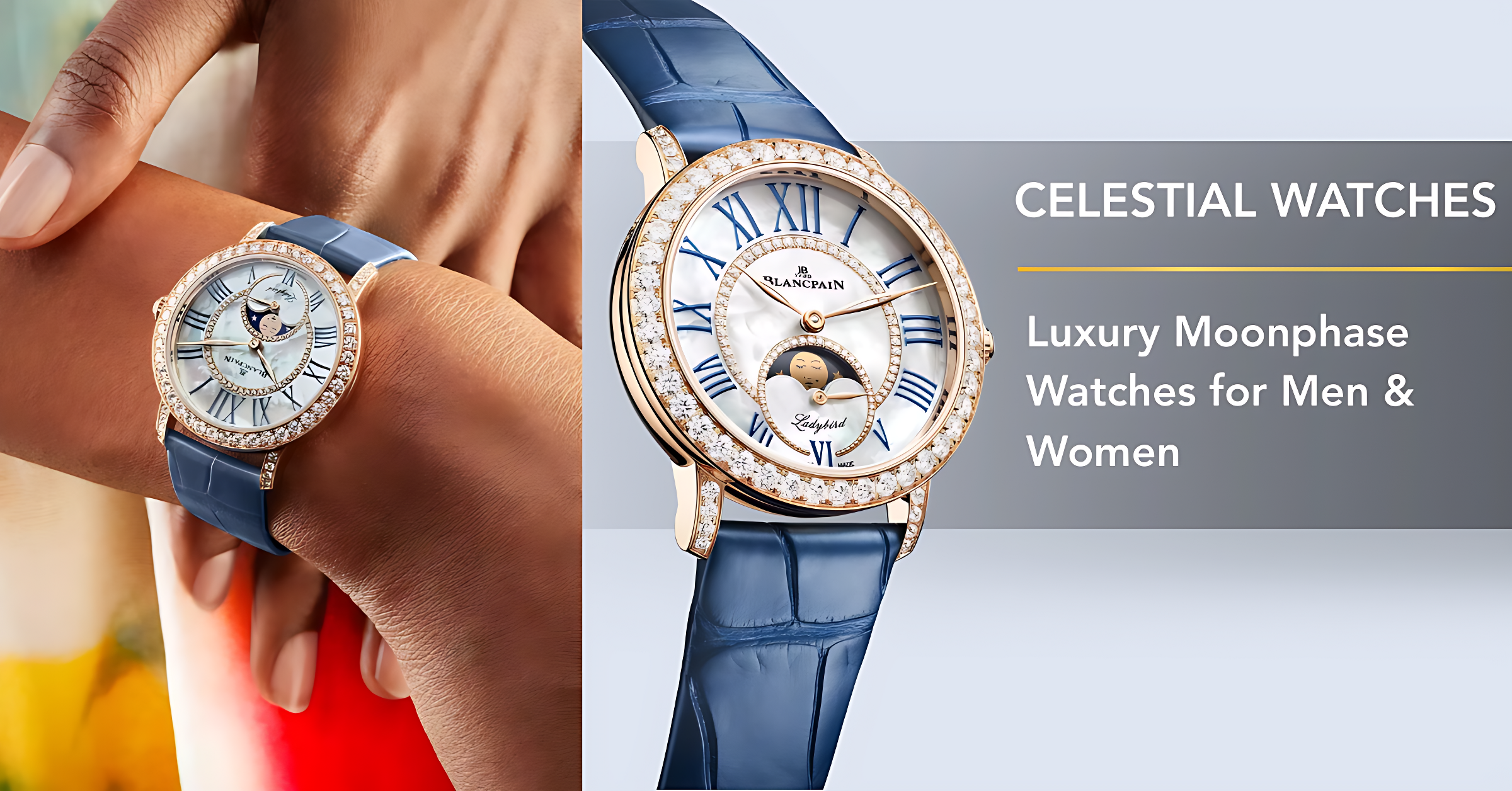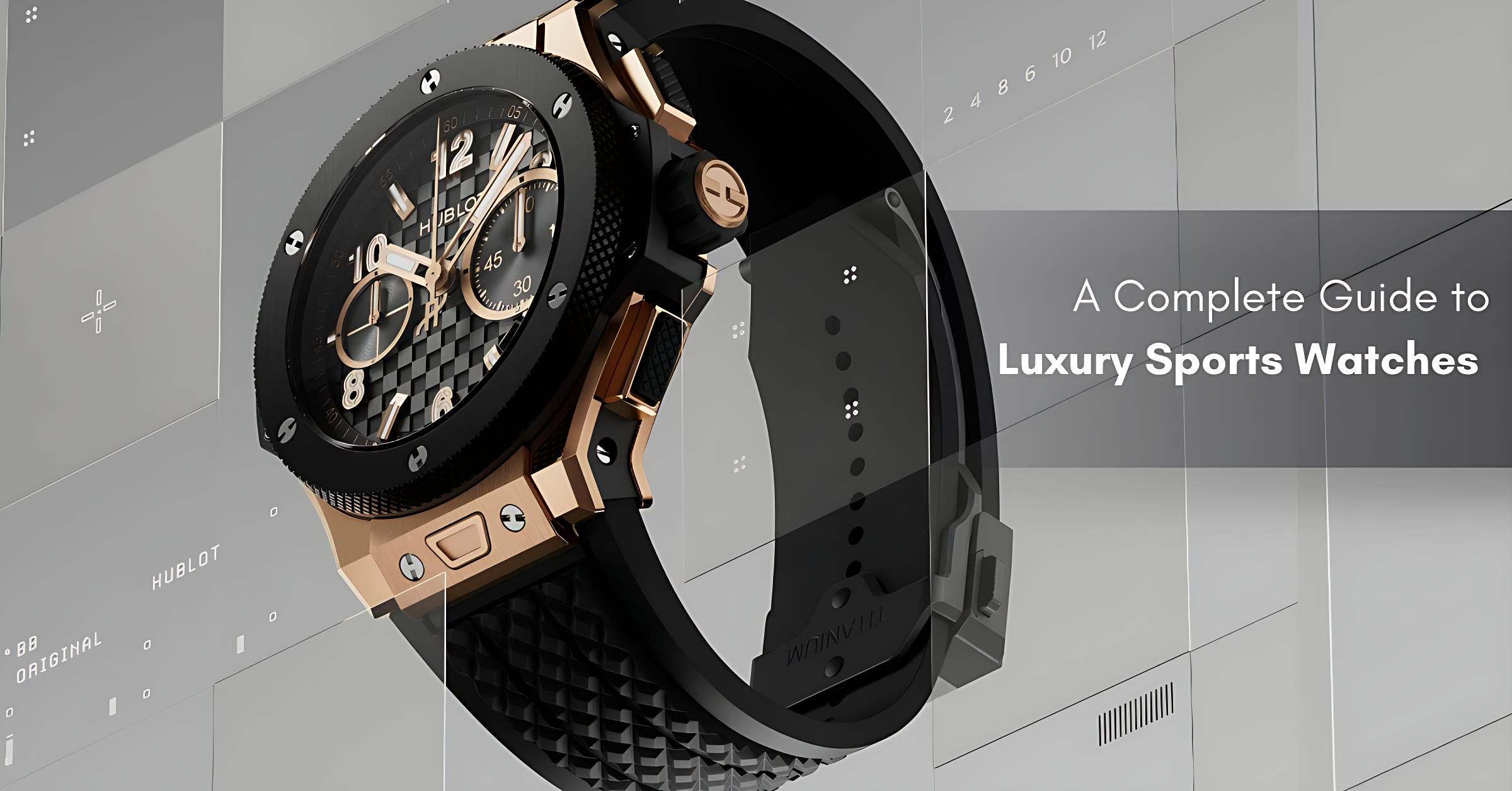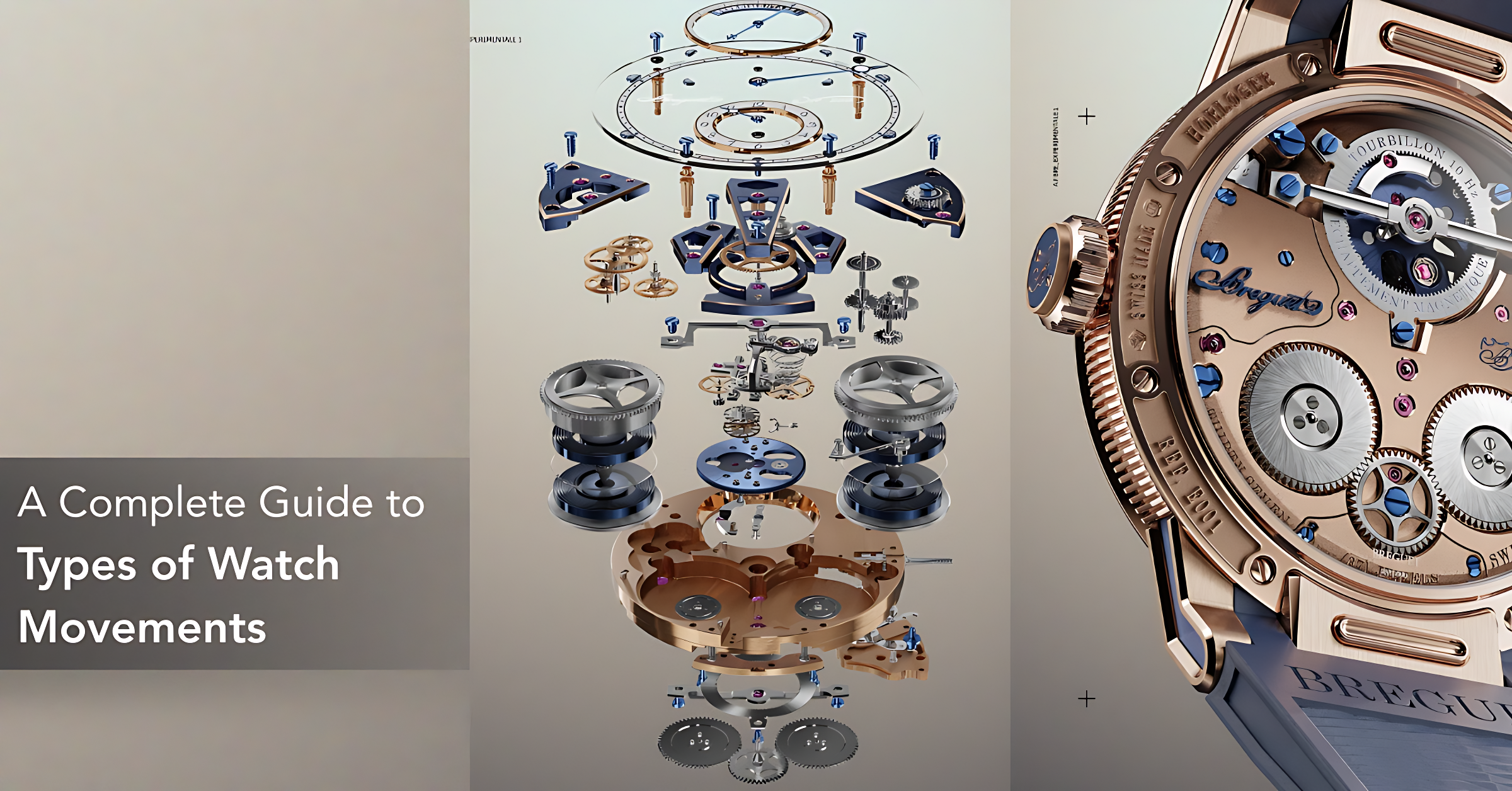

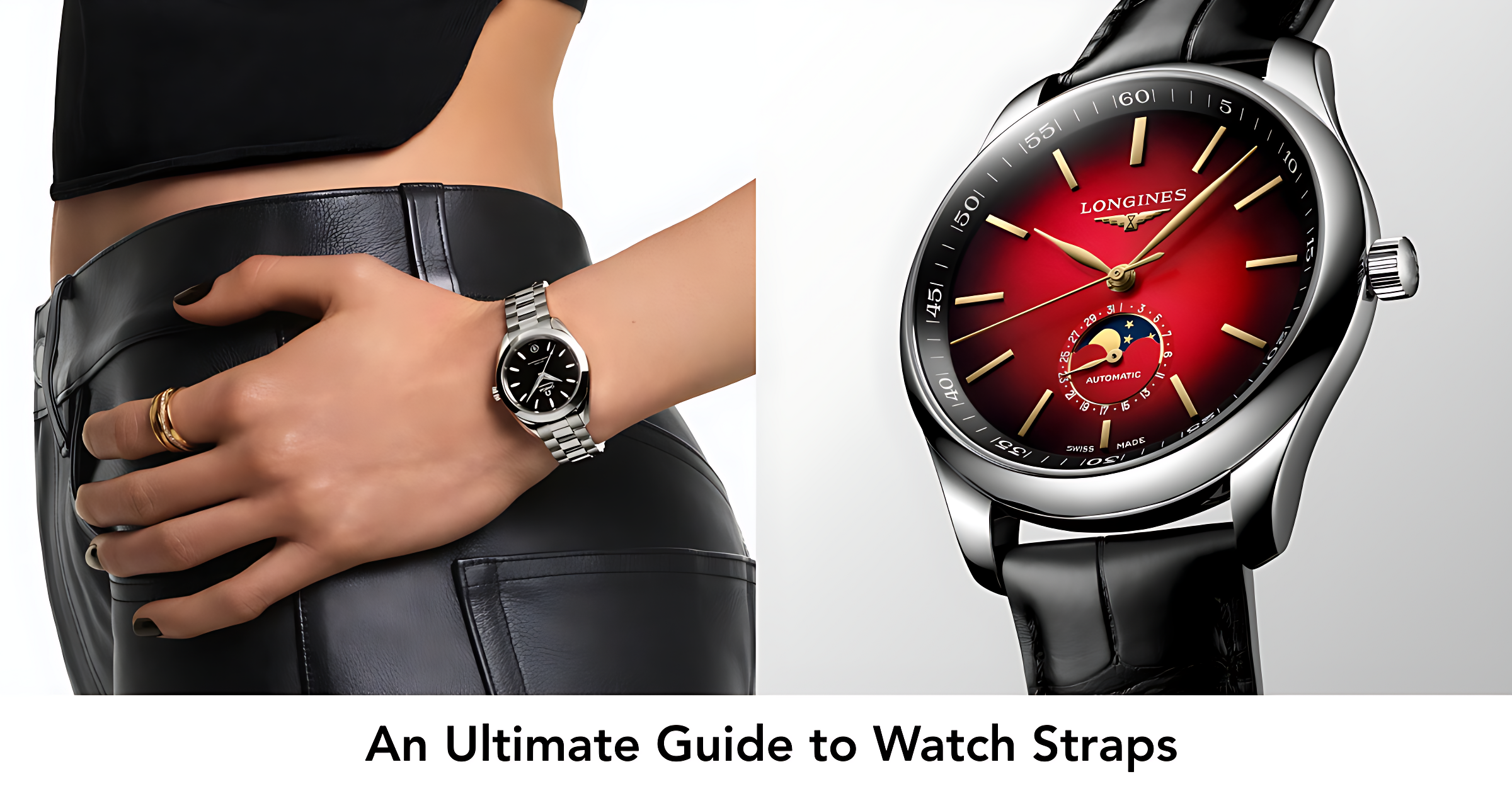
A watch strap is far more than a functional attachment. It is the element that connects the timepiece to the wearer, both physically and stylistically. The right strap influences comfort defines the character of the watch, and allows a single timepiece to adapt to different occasions. From refined alligator leather on a Breguet dress watch to the technical rubber of a Hublot sports model, strap choice plays a decisive role in how a watch is experienced. Understanding the different types of watch straps helps you unlock the full personality of your timepiece.
Leather Watch Straps – The Classic Choice
Leather is the timeless backbone of types of straps, combining elegance, comfort, and flexibility. Its organic properties allow it to age gracefully while adapting to the wearer’s wrist.
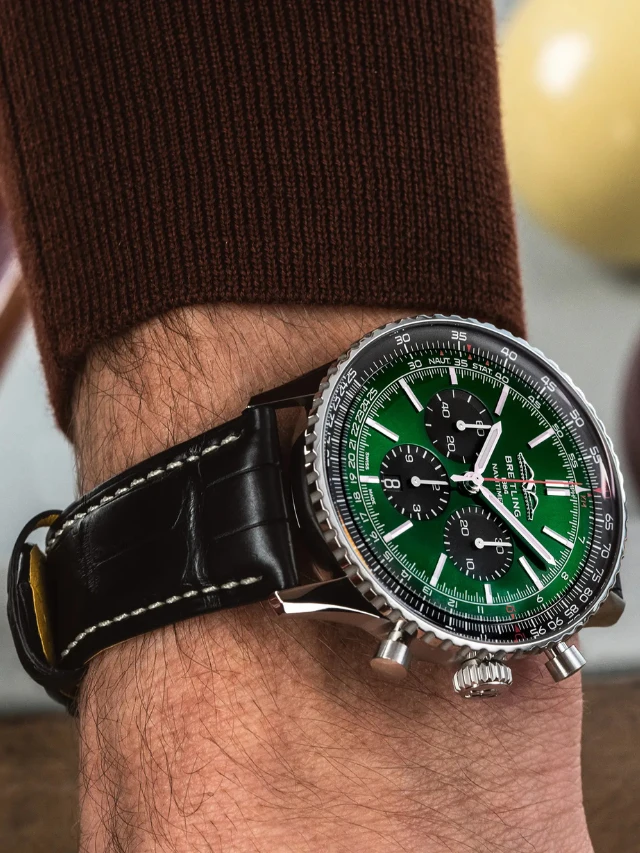
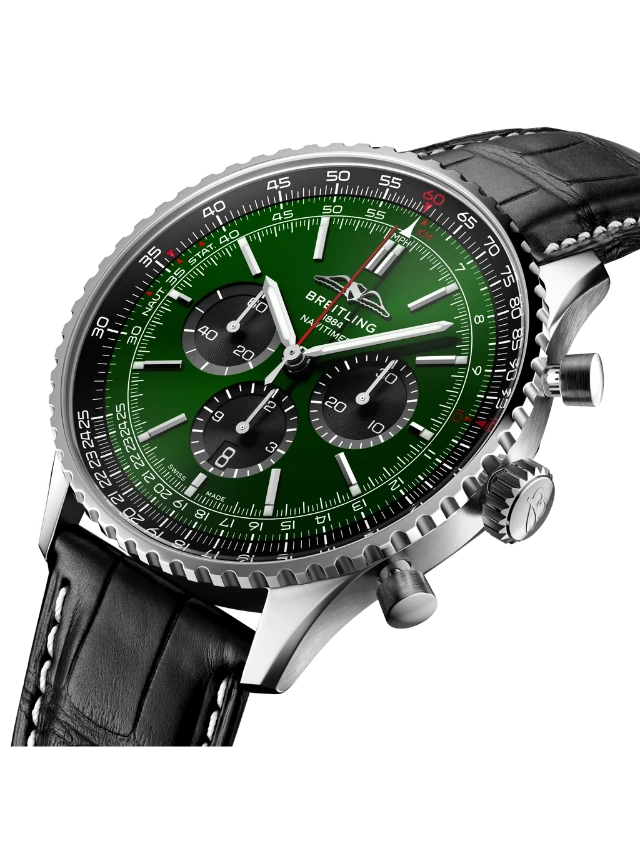
Calf Leather
Technical characteristics and material properties
- Full-grain or top-grain hide with high fibre density
- Excellent tensile strength with natural flexibility
- Breathable structure that reduces sweat retention
- Develops patina through oxidation and wear
Why brands use it
- Breitling and Longines prefer calf for pilot watches because it balances ruggedness with comfort
- Breguet selects smooth calf to preserve the elegance of classical case profiles
Practical guidance
- Ideal for daily office wear and moderate climates
- Avoid prolonged water exposure
- Conditions well with occasional leather care to extend lifespan
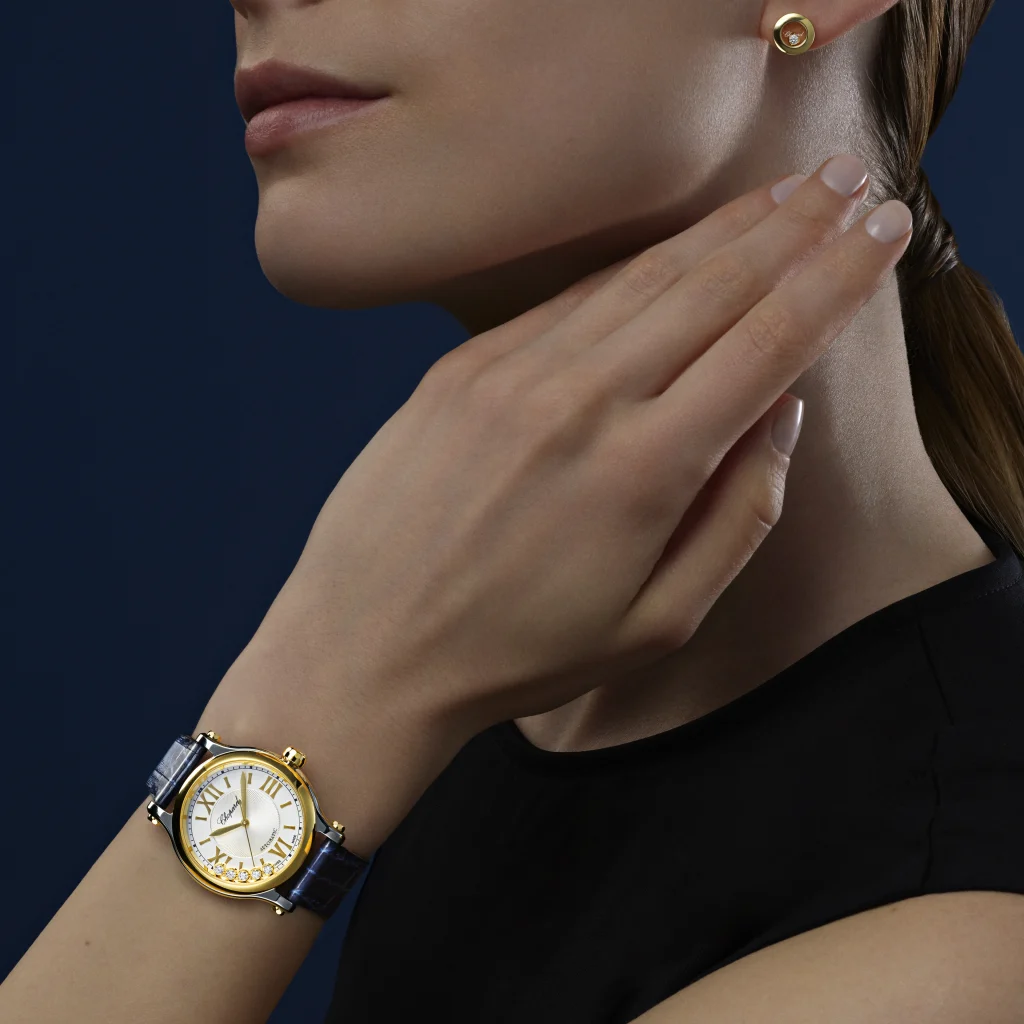
Alligator and Crocodile Leather
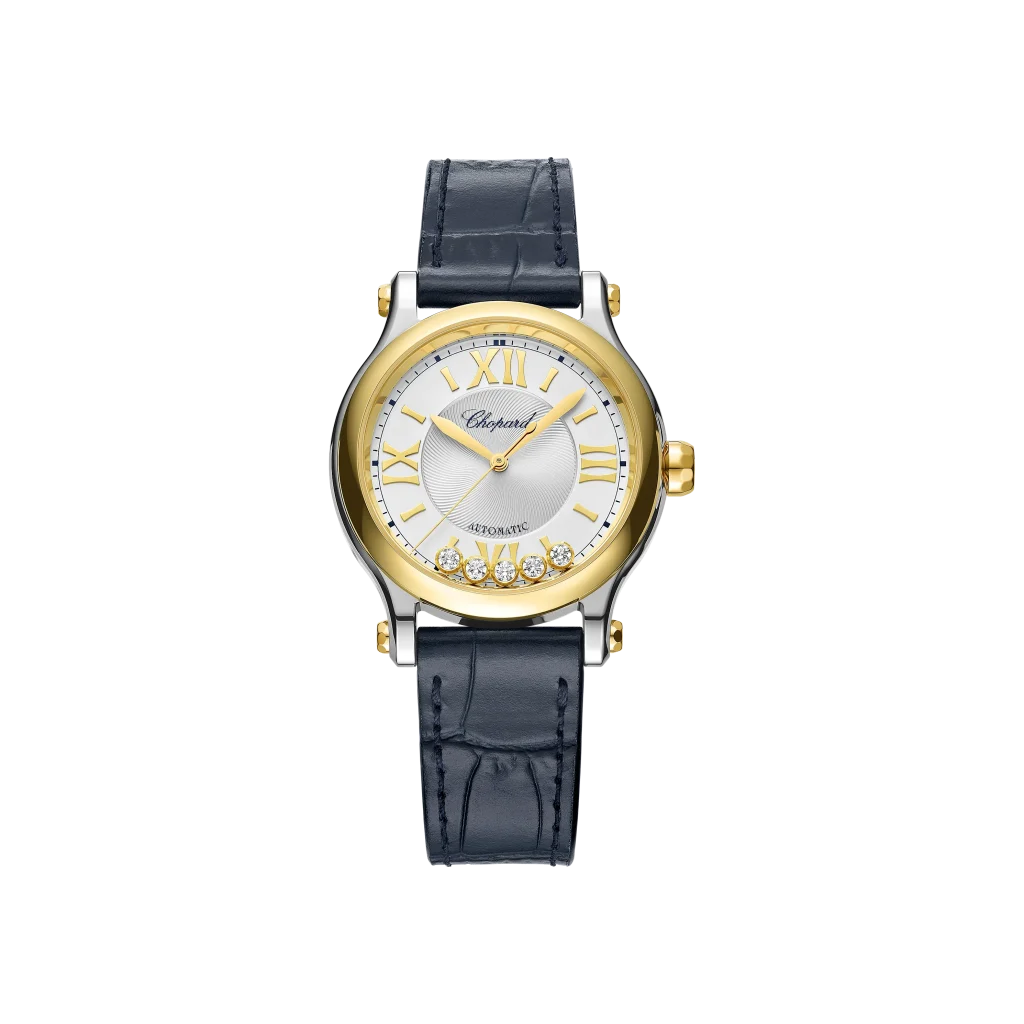
Technical characteristics and material properties
- Dense scale structure with natural water resistance
- High durability due to compact fibre layers
- Each strap has a unique scale pattern, ensuring exclusivity
- Maintains structure over decades when cared for properly
Why brands use it
- Breguet, Chopard L.U.C, and Purnell use alligator for haute horlogerie because it mirrors the refinement of the movement
- Often paired with precious metal cases for visual harmony
Practical guidance
Best reserved for formal and controlled environments
Store away from humidity
Ages exceptionally well with minimal creasing
Exotic and Textured Leathers (Ostrich, Lizard, Grained Calf)
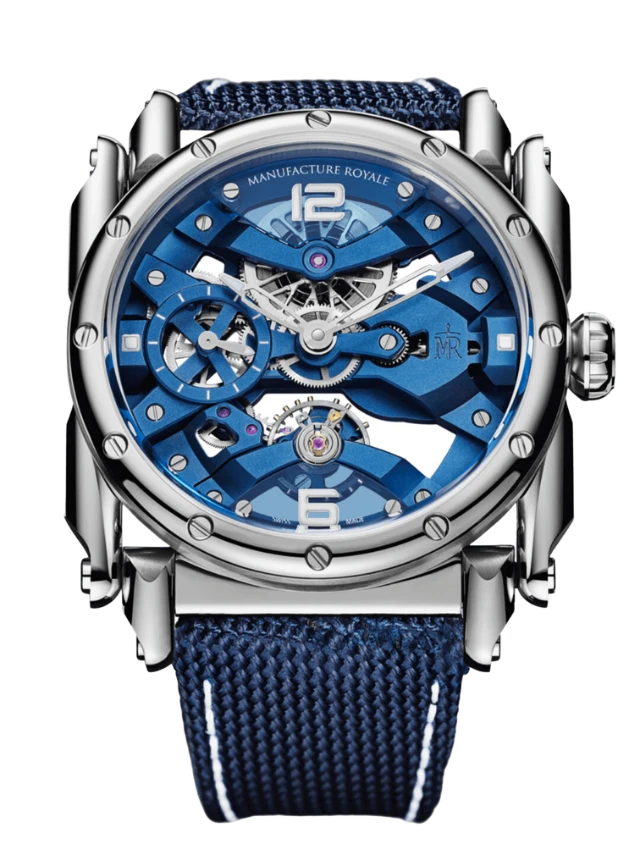
Technical characteristics and material properties
- Ostrich: oil-rich, highly supple, resistant to cracking
- Lizard: fine scales, glossy appearance, firm structure
- Grained calf: embossed for texture while retaining durability
Why brands use it
- Manufacture Royale and Konstantin Chaykin use these leathers to complement unconventional case designs
- Adds artistic depth to independent watchmaking
Practical guidance
- Ideal for statement pieces
- Works well in social and evening settings
- Requires gentle handling to preserve texture
Metal Bracelets – Engineered Elegance
Metal bracelets are structural extensions of the watch case, engineered for durability and balance. Metal watch strap types combine durability, precision engineering, and style. They are part of the watch’s architecture, giving it weight and presence on the wrist.
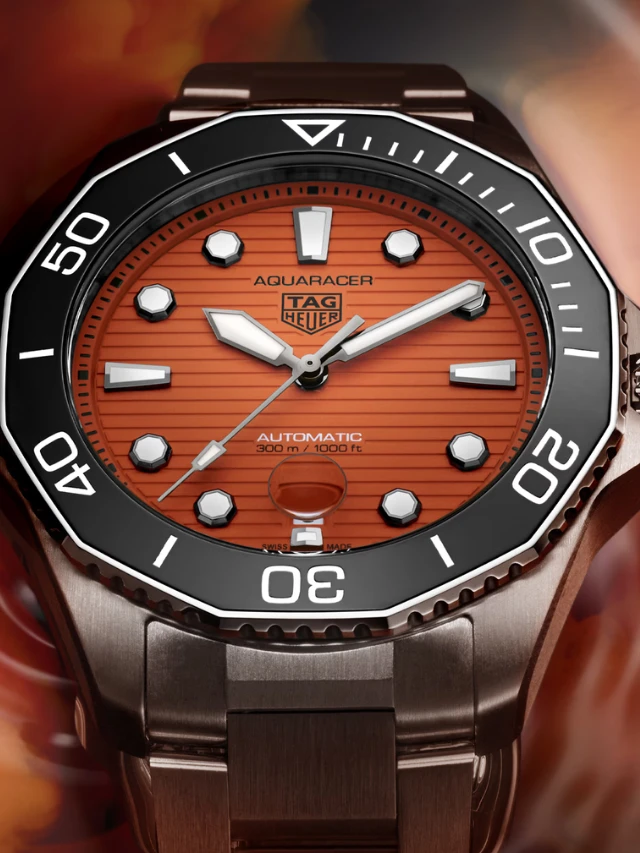
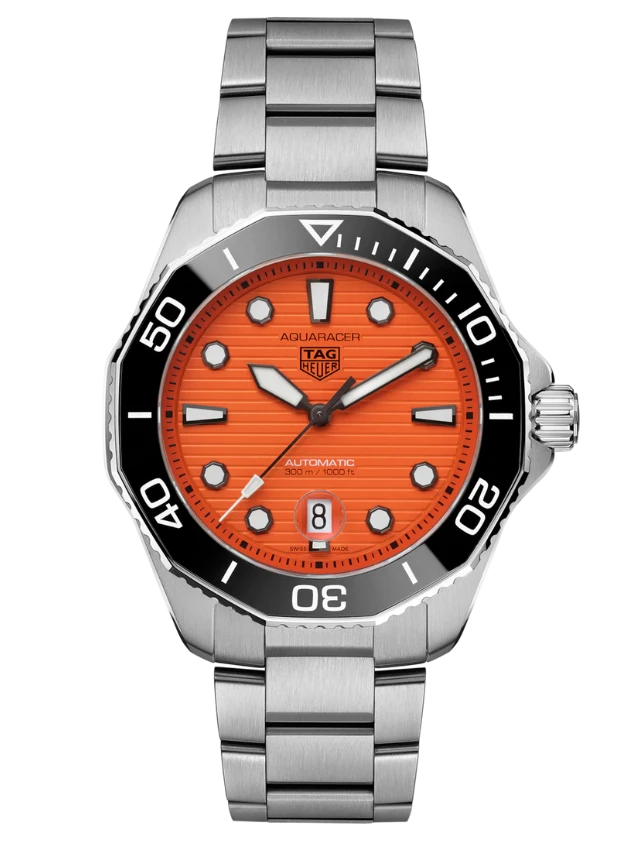
Stainless Steel Bracelets
- Technical characteristics and material properties
- Typically 316L or 904L steel for corrosion resistance
- High scratch resistance with brushed finishing
- Solid links for weight distribution and durability
Why brands use it
- Omega Seamaster and TAG Heuer Carrera bracelets are engineered for professional use
- Breitling designs steel bracelets to withstand aviation and marine environments
Practical guidance
- Ideal for humid climates and daily wear
- Easy to maintain with simple cleaning
- Suitable for both formal and casual contexts
Precious Metal and Titanium Bracelets
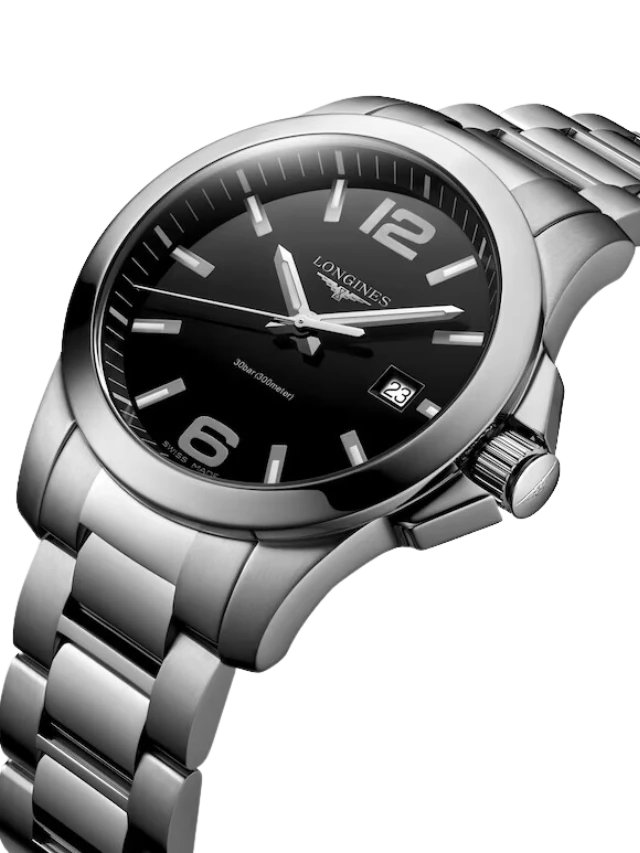
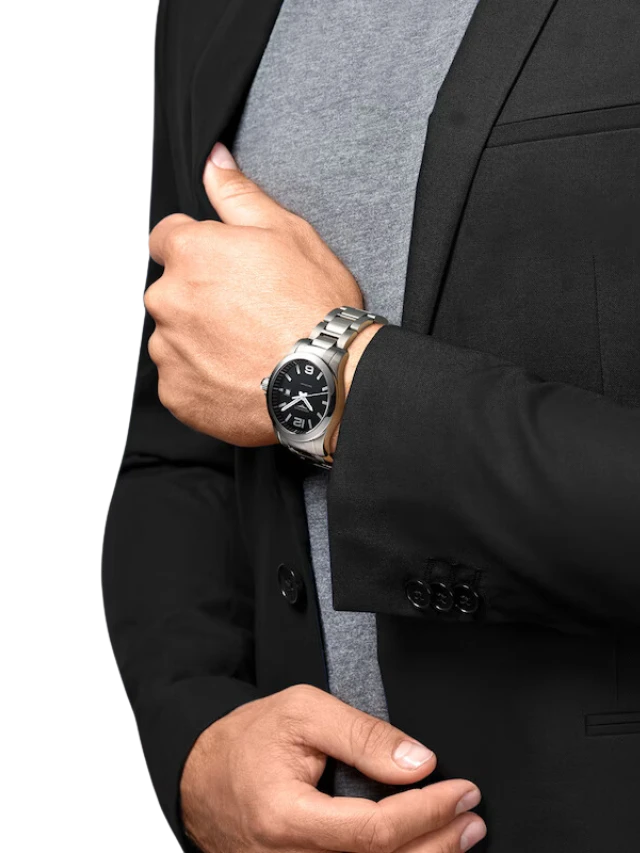
Technical characteristics and material properties
- Gold and platinum offer density and visual richness
- Titanium is 40% lighter than steel and hypoallergenic
- Titanium resists corrosion from saltwater and sweat
Why brands use it
- Breguet’s gold bracelets reflect classical luxury
- Breitling and Longines adopt titanium for lightweight sport watches
Practical guidance
- Gold for formal luxury wear
- Titanium for travel, long wear, and active use
Mesh (Milanese) Bracelets
- Technical characteristics and material properties
- Interwoven steel threads for flexibility
- Breathable construction reduces perspiration
- Even pressure distribution across the wrist
Why brands use it
- Breitling revives Milanese mesh for vintage aviation aesthetics with modern comfort
- Practical guidance
- Extremely comfortable in warm weather
- Pairs well with both retro and modern designs
Rubber and Polymer Straps – Sporty and Durable
Rubber straps represent modern ergonomics and water resistance. Rubber and polymer straps are vital watch belt types for active lifestyles. They combine flexibility, waterproofing, and ergonomic comfort.
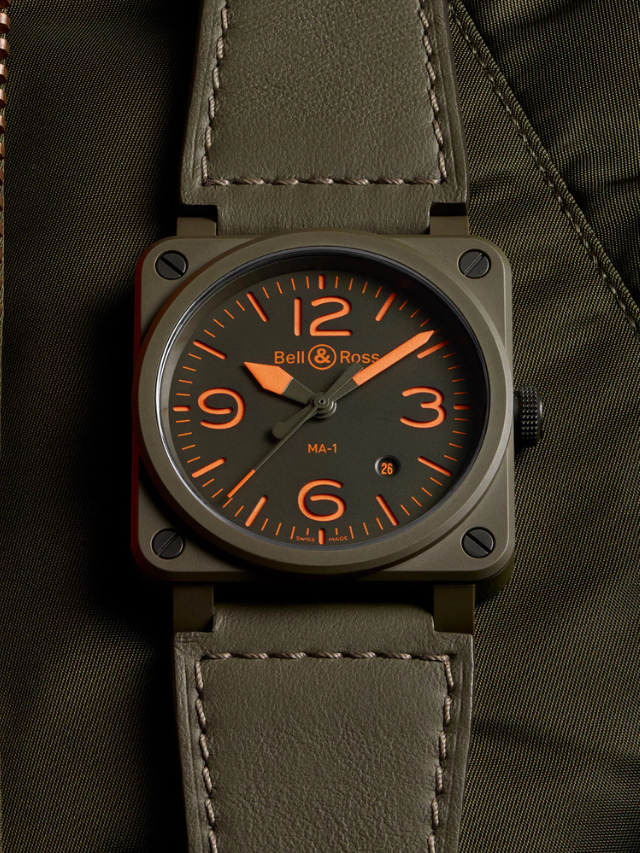
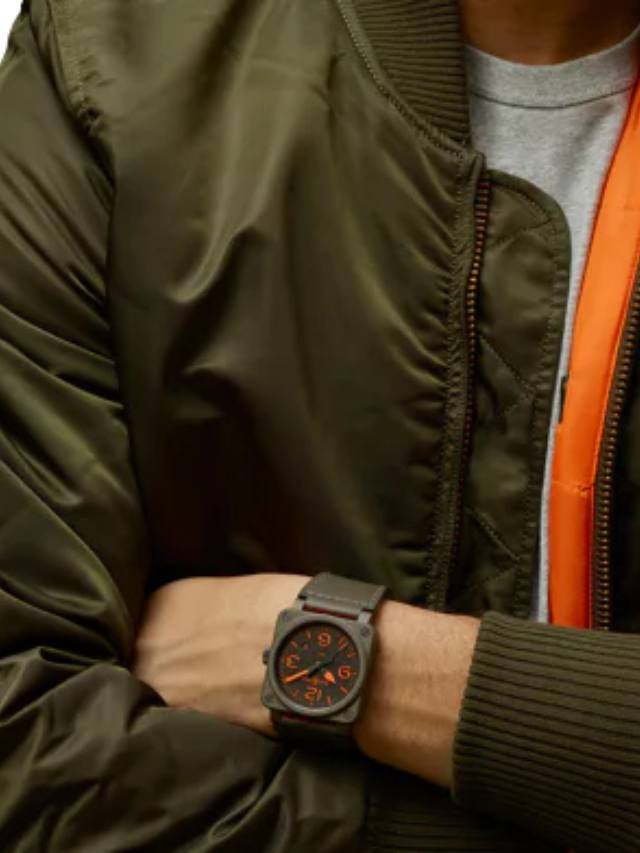
Natural Rubber
Technical characteristics and material properties
- Vulcanised rubber for elasticity and durability
- Resistant to UV, saltwater, and sweat degradation
- Hypoallergenic and odour resistant
Why brands use it
- Hublot pioneered luxury rubber integration
- Blancpain and Omega rely on advanced rubber for professional diving reliability
Practical guidance
- Ideal for swimming, travel, and hot climates
- Requires minimal maintenance
- Extremely long lifespan under active use
Technical Rubber and Hybrid Straps
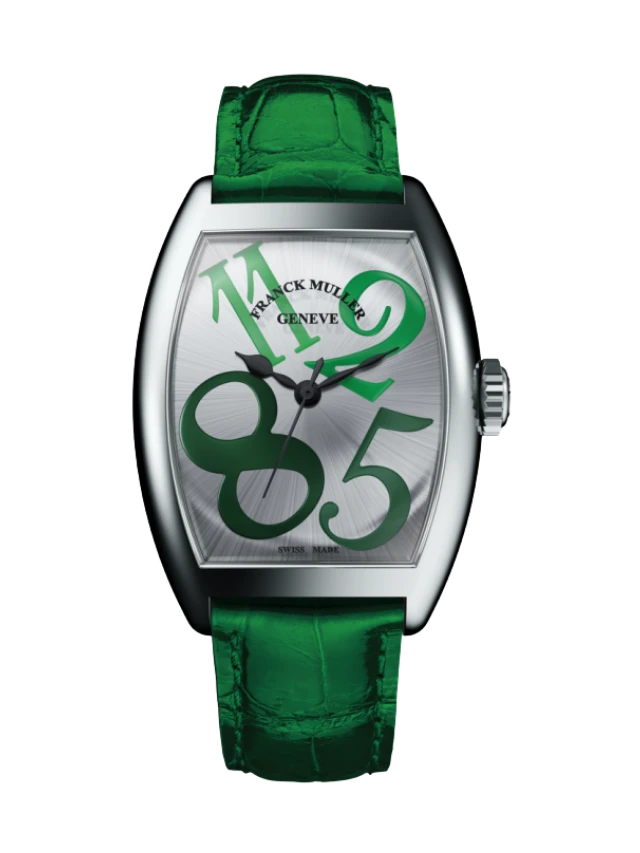
- Technical characteristics and material properties
- Perforation for ventilation
- Rubber core with leather or textile upper layer
- Moulded designs for wrist ergonomics
Why brands use it
- Breitling Diver Pro for aquatic precision
- Franck Muller integrates rubber lining for comfort in bold designs
Practical guidance
- Perfect for sports, driving, and aviation watches
- Offers leather aesthetics with rubber comfort
Fabric and Textile Straps – Casual and Functional
Textile straps introduce lightweight versatility and historical character. Textile straps are lightweight types of straps offering versatility and historical character, perfect for casual and outdoor wear.
NATO and NATO-Style Straps
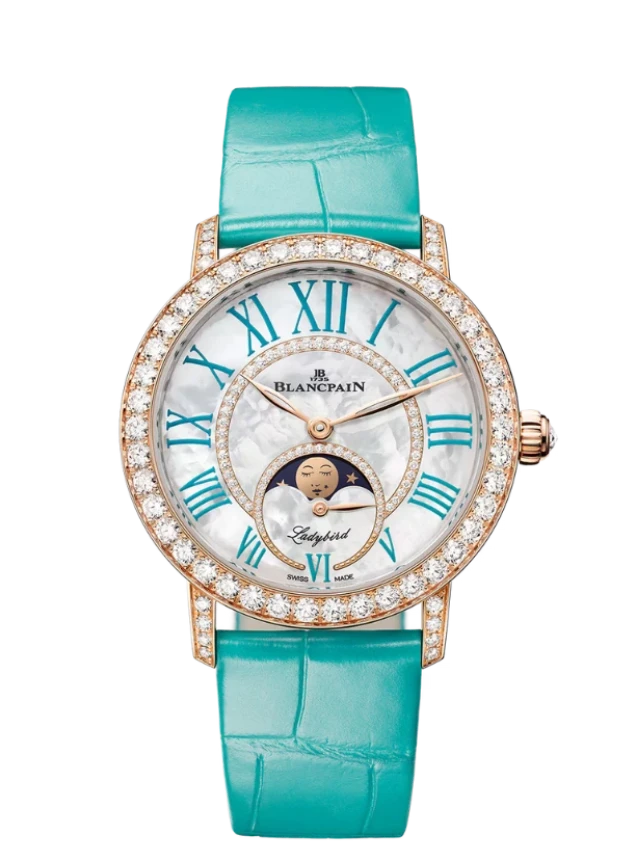
Technical characteristics and material properties
- Woven ballistic nylon for tear resistance
- Pass-through design prevents watch drop if spring bar fails
- Quick drying and washable
Why brands use it
- Omega and Blancpain provide official NATO options for dive heritage
- Longines uses them for military reissues
Practical guidance
- Ideal for travel and casual wear
- Easily interchangeable for colour variation
- Excellent in monsoon and humid conditions
Sailcloth, Canvas, and ECONYL
Technical characteristics and material properties
- Sailcloth is water-resistant and abrasion resistant
- Canvas offers rugged texture
- ECONYL made from recycled ocean plastics, eco-friendly and durable
Why brands use it
- Blancpain sailcloth is iconic for marine watches
- Breitling leads sustainability with ECONYL straps
Practical guidance
- Nautical and outdoor environments
- Eco-conscious luxury choice
- Comfortable for long wear
The Art of the Strap Change and Finding Your Fit
Selecting the right strap involves understanding types of watch strap fittings and wrist proportions.
Key considerations
- Quick-release spring bars for tool-free changes
- Screw-in bars for secure attachment in sports watches
- Correct lug width and strap thickness for seamless balance
Practical application
- Dress watch: alligator or calf leather
- Dive watch: rubber, sailcloth, or stainless steel
- Pilot watch: calf leather or textile
- Statement watch: exotic leather or hybrid rubber
Even a single wrist watch can adopt multiple personalities with the right types of watch bands.
Conclusion: The Final Link in Personal Expression
Luxury watch store in Mumbai offerings go far beyond timepieces watch strap types combine material science, craftsmanship, and personal style. The correct choice enhances comfort, protects the watch, and expands its versatility across occasions. Understanding these materials allows you to select straps that suit climate, lifestyle, and aesthetics. From classical leather to advanced rubber and engineered steel, the strap completes the horological experience.
To explore these materials and experience how straps transform luxury watches from Omega, Breitling, Hublot, Longines, Breguet, and more, visit Time Avenue, a premier luxury watch store in Mumbai. Our specialists can help you discover the ideal strap pairing for your watch and your lifestyle.
FAQs
1. Which watch strap is best for daily office wear?
Calf leather and stainless steel bracelets are the most versatile for office use. Calf leather offers comfort and understated elegance, while steel bracelets provide durability in humid conditions and require minimal maintenance.
2. Can I change the personality of my watch just by changing the strap?
Yes. A strap change can dramatically alter the character of a watch. A dress watch on alligator leather looks formal, while the same watch on a NATO or rubber strap appears relaxed and casual.
3. Which strap material is best for hot and humid climates like India?
Rubber, steel bracelets, sailcloth, and NATO straps perform best in heat and humidity. These materials resist sweat, dry quickly, and do not deteriorate easily in moisture.
4. Is alligator leather suitable for daily wear?
Alligator leather is durable but best reserved for formal settings. Daily exposure to sweat and humidity can shorten its lifespan if not cared for properly.
5. What strap should I choose for a dive watch?
Rubber, stainless steel, or sailcloth straps are ideal. These materials resist saltwater, dry quickly, and maintain structural integrity during aquatic activities.
6. Are NATO straps safe for luxury watches?
Yes. NATO straps are designed with a pass-through construction that prevents the watch from falling even if a spring bar fails. Many luxury brands like Omega and Blancpain offer official NATO options.
7. What is the advantage of a Milanese mesh bracelet?
Milanese mesh is flexible, breathable, and extremely comfortable in warm weather. It distributes weight evenly across the wrist and suits both vintage and modern watches.