

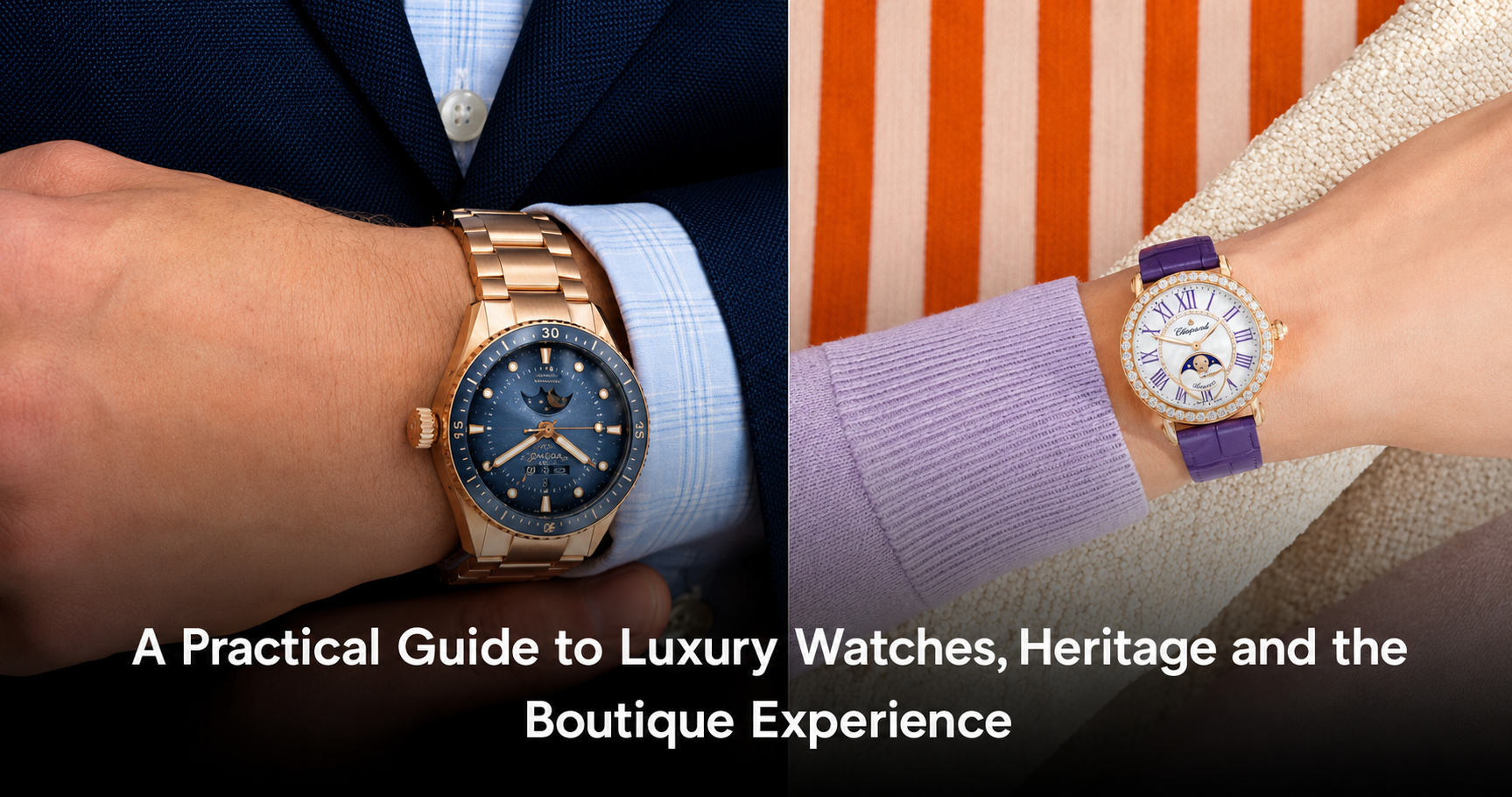
Any honest guide to luxury watches has to do two jobs at the same time. It needs to speak with the collector who already knows the difference between a calibre and a complication. And it needs to welcome the first-time buyer who has just decided that a fine timepiece belongs on their wrist. The pages that follow try to do exactly that. We will define the technical terms as we go.
This luxury watch guide draws on twenty-seven years of conversations at our Bandra West boutique. Our buyers range from career-spanning collectors to people walking in for the very first time. The guide covers what defines a fine watch and how movements and styles differ. It looks at which brands belong in a serious collection. And it works through what to consider before you buy.
What Makes a Watch Truly Luxurious?
The word luxury gets thrown around a lot. In twenty-seven years at our Bandra boutique, the same question opens almost every first visit. What separates a luxury watch from one that is only expensive? Any serious guide to luxury watches has to begin there. In horology, the answer is specific, and it starts with how the watch is built.
Craftsmanship and movement
A luxury watch carries a movement that watchmakers design and finish by hand. Most factories never attempt that standard. The calibre is the technical term for the mechanical movement inside the case. At maisons like Breguet and Blancpain, the assembly and finishing of a single calibre takes weeks. Hand-bevelled bridges. Polished screws. Decorated rotors. Most of it stays hidden once the caseback closes, but it gets done anyway. That is the first real marker of luxury.
Materials and finishing
Cases in gold, platinum, ceramic, or titanium replace the stainless steel of mass production. Any decent luxury watch guide also has to mention the dial. Dials carry guilloché engraving, mother-of-pearl, or vitreous enamel. Chopard’s L.U.C. collection makes the point well, with dials that can take an artisan days of patient work to finish.
Heritage and brand legacy
Prestige in horology is earned slowly, across generations of patient work. Blancpain has made watches since 1735. Breguet followed forty years later, in 1775. Longines registered the world’s first watchmaking trademark in 1832. That continuity separates a luxury watch from something that is just expensive.
Why a Luxury Watch Is Worth the Investment?
No guide to luxury watches is complete without answering the obvious question. Why spend the money in the first place? A fine watch is a rare possession. You can wear it every day for fifty years and pass it on to the next generation. Ownership runs deeper than the price tag.
Prestige and personal expression
A timepiece sits among a small handful of accessories worn daily that signal taste without a single word spoken. The right watch at the right occasion reflects how you think about quality. The way you choose it, in a boutique that takes the time to listen, becomes part of the prestige. You can explore watch brands by prestige at Time Avenue and choose what suits you.
Heirloom value and longevity
Properly serviced, a mechanical watch outlasts almost every other personal possession. Fifty years of wear is routine for a well-built timepiece, and many go further. At Time Avenue we treat each acquisition as the start of a relationship. The piece will outlive its first owner and reach the next.
Long-term value retention
Limited editions and pieces from heritage maisons hold their value well. They often grow in worth too. The Federation of the Swiss Watch Industry reported Swiss watch exports of CHF 26 billion in 2024. The figure gives some sense of the global scale of demand for fine horology. We talk about value in general terms only. Specific appreciation depends on the model, the condition, and on market timing. No honest boutique should promise otherwise.
Understanding Watch Movements
Any practical guide to luxury watches has to start with what is ticking inside the case. The movement is the engine of any timepiece. Your choice between mechanical and quartz shapes how the watch feels on the wrist and how often it asks for attention.
Mechanical movements, manual and automatic
A mechanical movement runs on a wound mainspring. The spring releases its energy through a regulating system called the escapement, with no battery anywhere in the equation. You wind a manual movement by hand using the crown, usually every day or two. An automatic movement winds itself through a rotor that responds to your wrist’s natural motion. Most of our Exclusive Brands portfolio runs mechanical-only. The list includes HYT, Manufacture Royale, and Konstantin Chaykin. You will find some of the most inventive watchmaking in the world inside these names.
Quartz movements
Quartz movements use a battery and a vibrating quartz crystal to keep time, and the accuracy is excellent. Servicing intervals tend to run longer than on mechanical pieces. Several respected luxury brands use quartz in specific collections. The choice between quartz and mechanical comes down to preference rather than hierarchy.
The Main Styles of Luxury Watches
Style follows function. The next section of this guide to luxury watches breaks down the four main categories you will encounter. Each of them evolved to serve a particular need before it ever became a wardrobe choice.
Dress watches
Slim and restrained, the dress watch slips neatly under a shirt cuff. Minimal dials, leather straps, and precious-metal cases define the category. The Breguet Classique, with its coin-edge case and signature blued hands, is the archetype.
Dive watches
Built for water, the dive watch carries a unidirectional rotating bezel and high legibility under depth. Blancpain originally developed the Fifty Fathoms for military divers in the 1950s. It is widely credited as the pioneer of the modern dive watch. Omega Seamaster and Breitling Superocean are dive watches we carry that have earned similar reputations on their own terms.
Pilot’s and aviation watches
Pilot’s watches deliver cockpit-grade legibility, tough construction, and functions like slide-rule bezels or GMT hands. Professional pilots have worn the Breitling Navitimer, with its calculation bezel, since 1952.
Sports watches and chronographs
A chronograph adds a stopwatch function alongside timekeeping, controlled by pushers on the side of the case. TAG Heuer’s Carrera and Monaco collections trace their origins to motorsport and still sit among the most recognised chronographs anywhere.
The Most Prestigious Brands in Our Boutique
No guide to luxury watches is worth reading without a serious look at the brands themselves. Each of the names below has earned its place through decades, in some cases centuries, of horological work. Let’s have a look at the top 10 luxury watch brands in our boutique.
Breguet
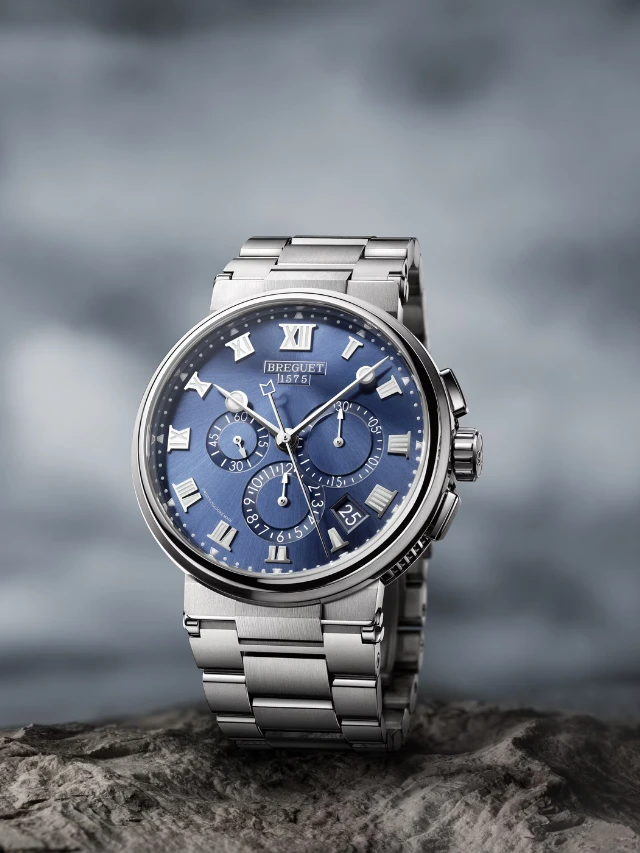
Abraham-Louis Breguet founded the maison in 1775. He patented the tourbillon in 1801, a complication built to counter gravity’s effect on the movement’s accuracy. Hallmarks include coin-edge cases, fluted casebands, and the distinctive Breguet hands. The Classique and Marine collections anchor the modern range.
Blancpain
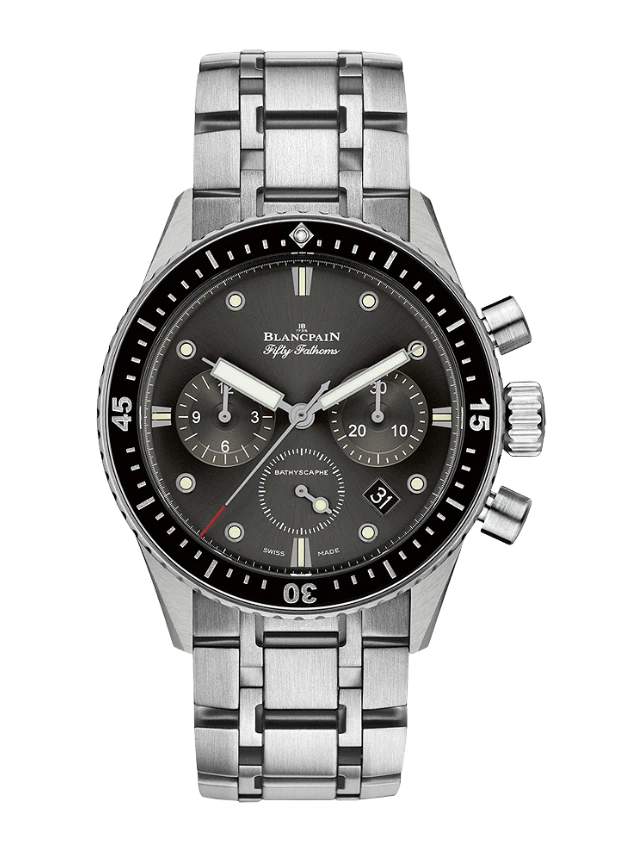
The oldest continuously operating watchmaker, founded in 1735. Best known for the Fifty Fathoms, the dive watch that defined the category. The Villeret collection presents the classical Roman-numeral dress watch with the same depth of finishing.
Breitling
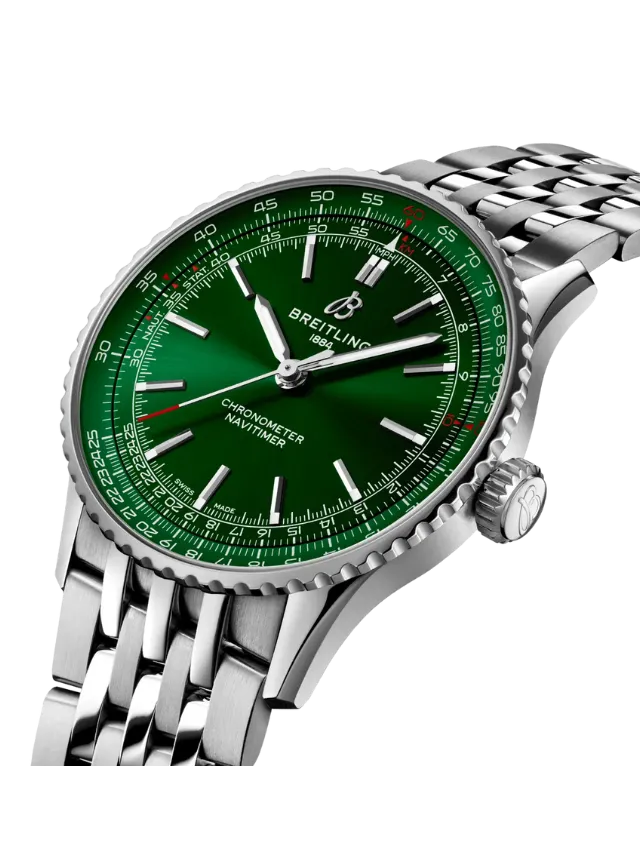
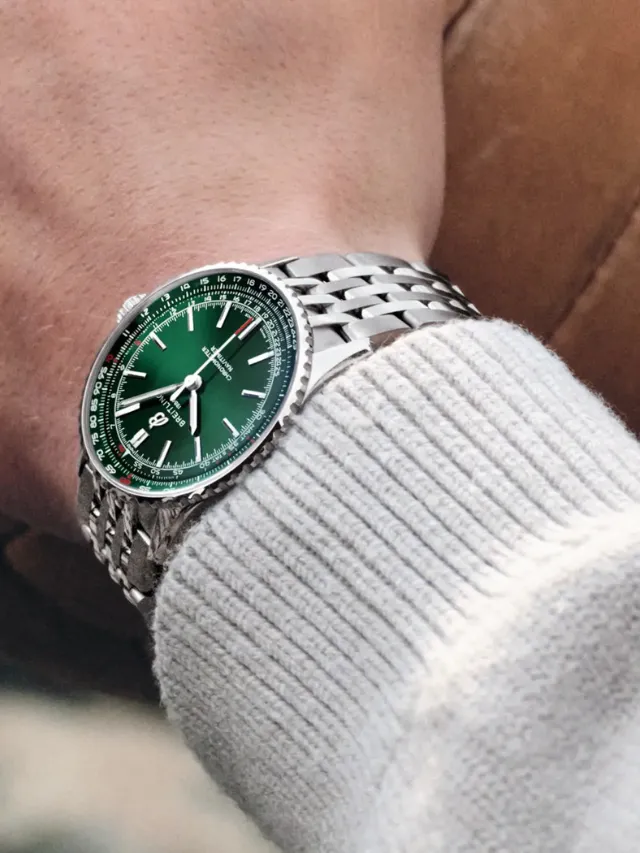
Breitling has been the aviation specialist of Swiss watchmaking for over a century. The Navitimer remains one of the most recognised pilot’s chronographs in the world. The Superocean takes that same instrument-grade engineering underwater.
Chopard
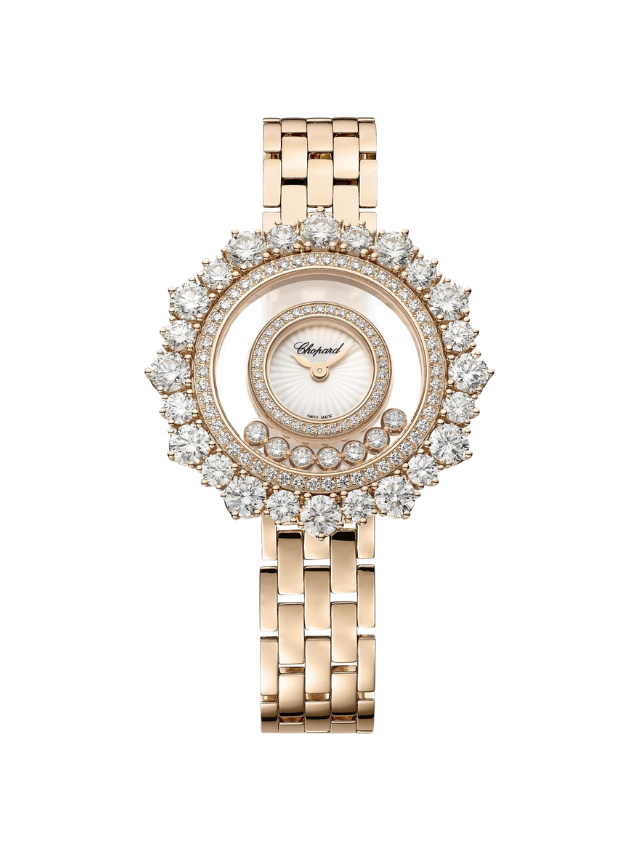
A Geneva-based family-owned maison renowned for the L.U.C. high horology collection and the Happy Diamond series, where free-floating diamonds dance across the dial. The brand’s roots in fine jewellery run through every piece.
Franck Muller
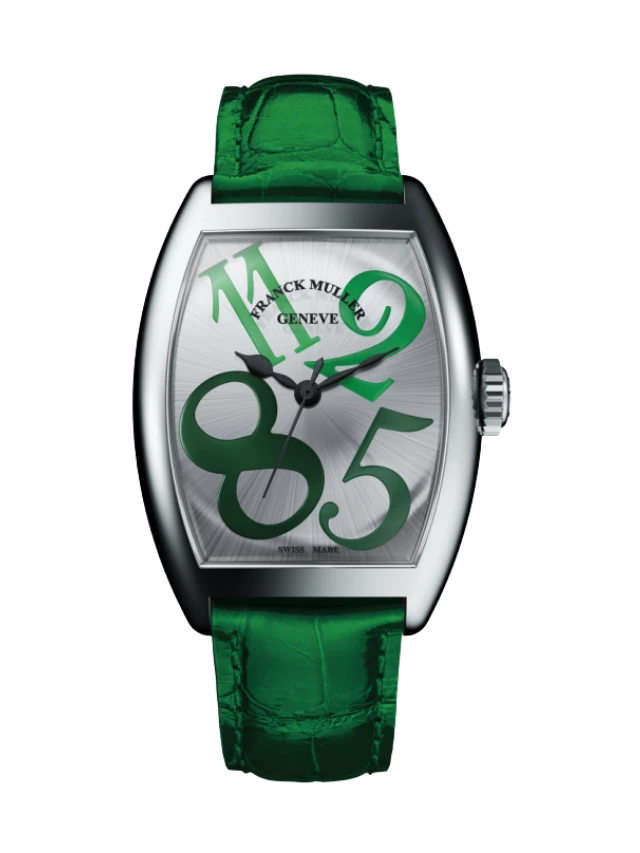
Avant-garde case shapes, particularly the tonneau, and a willingness to attempt complications other maisons consider too difficult. The Master Square and the unconventional Crazy Hours display make Franck Muller the brand for collectors who want the watch to be seen.
Hublot
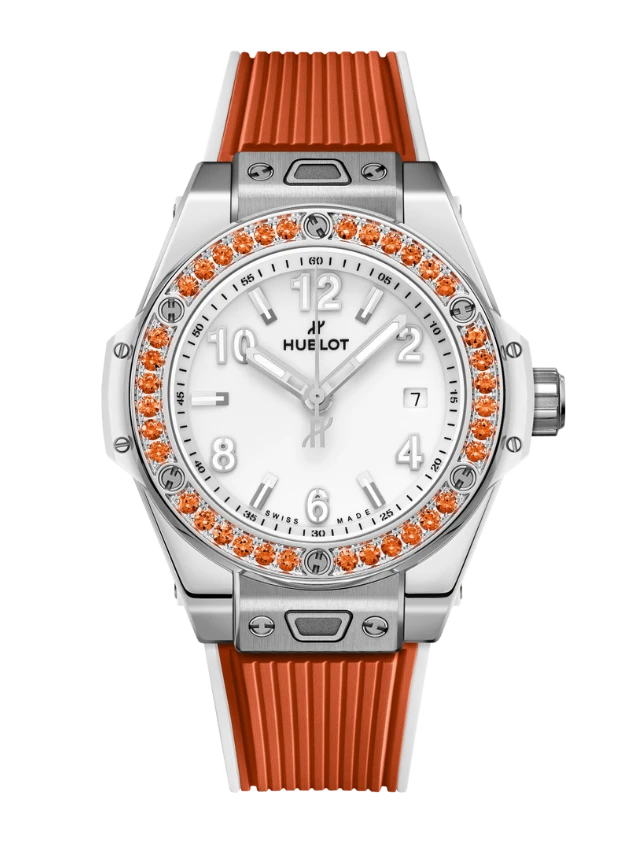
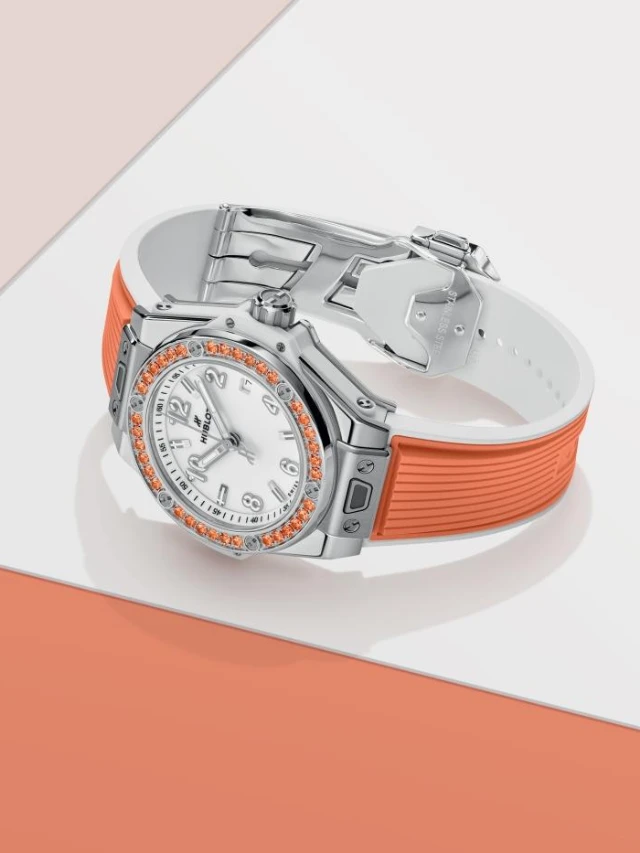
The material innovator of modern Swiss watchmaking. Cases combine ceramic, gold, rubber, and titanium in a single piece. The Big Bang remains the icon. The Classic Fusion offers the same engineering in a quieter, more restrained form.
Longines
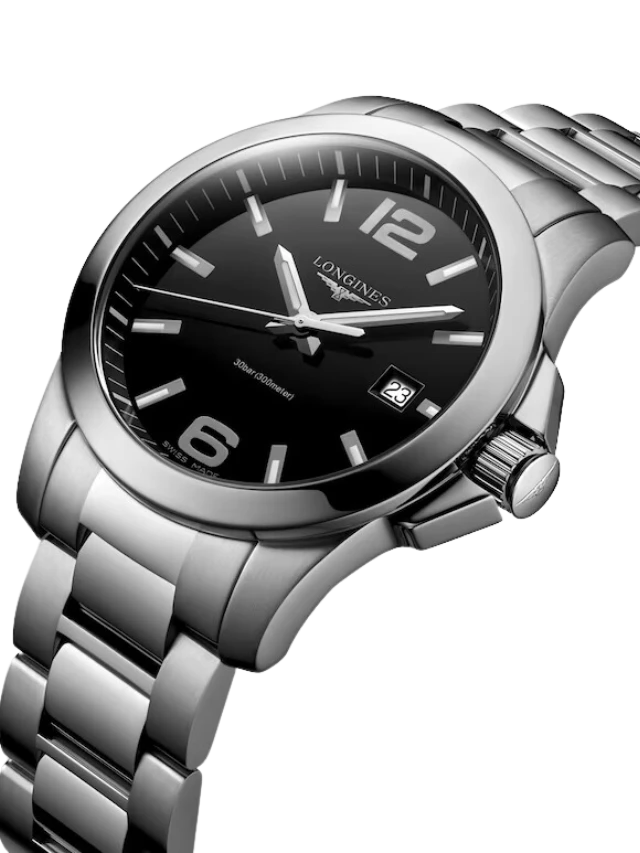
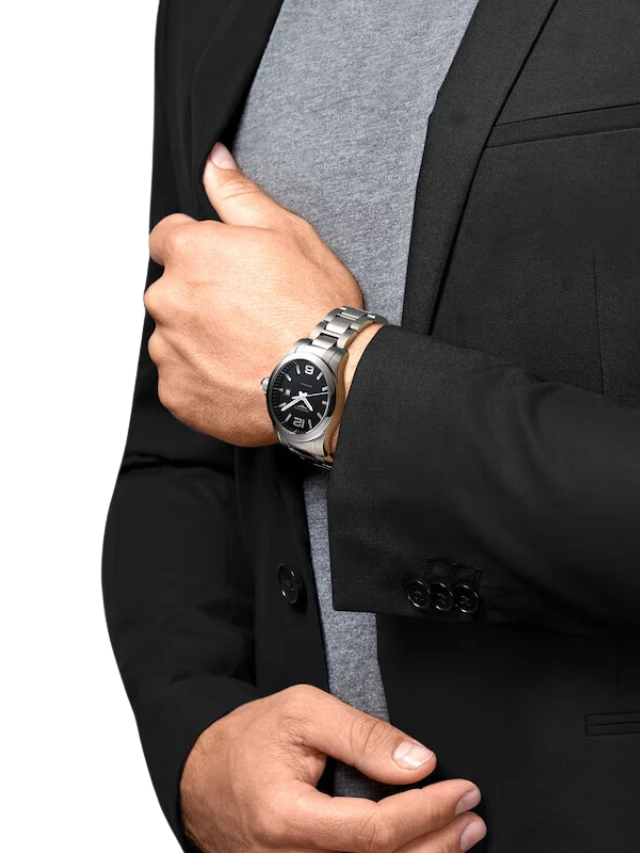
Founded in 1832, and the first Swiss firm to register a watchmaking trademark. The Master Collection houses the brand’s complications. Its Conquest series brings Swiss precision into a sportier, everyday register, and works well as an entry into serious horology.
Omega
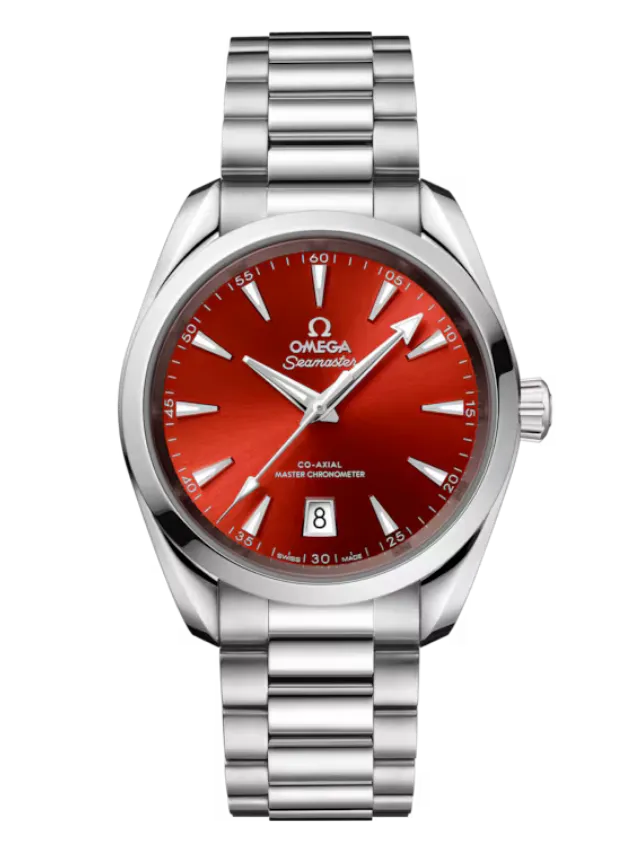
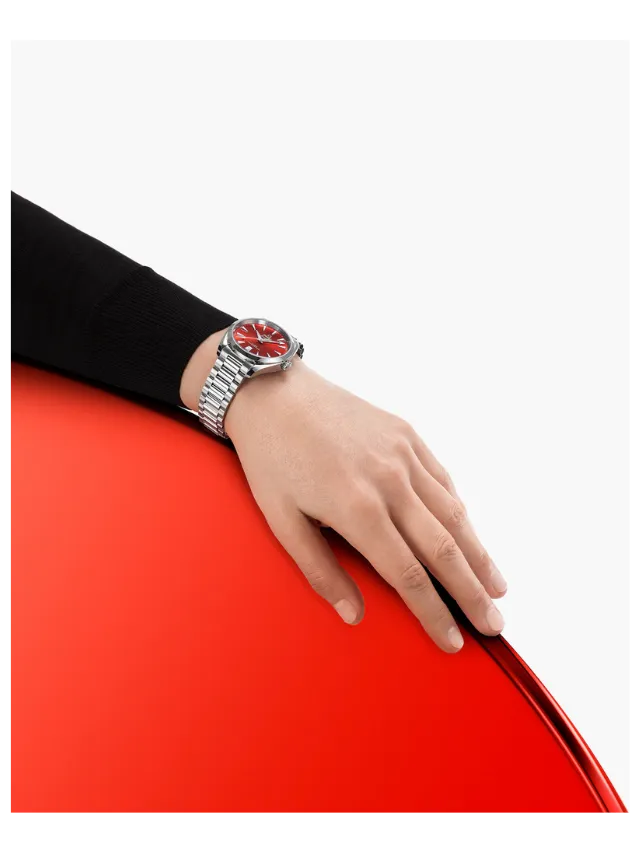
Omega’s Speedmaster was the watch NASA astronauts wore during the Apollo 11 lunar mission in 1969. That makes it the first watch on the moon. The Seamaster, by contrast, sits among the most-recognised dive watches in existence. Both collections anchor the heart of horological history.
TAG Heuer
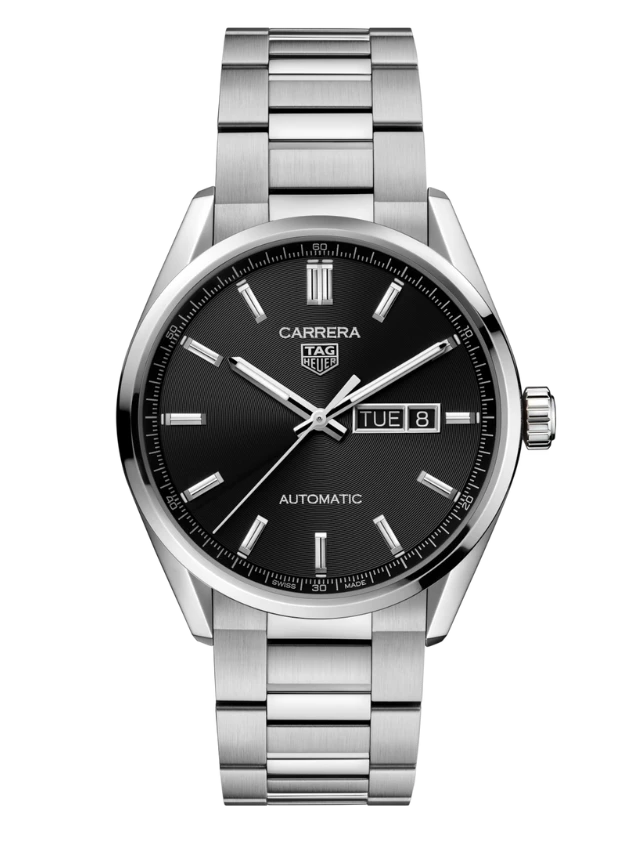
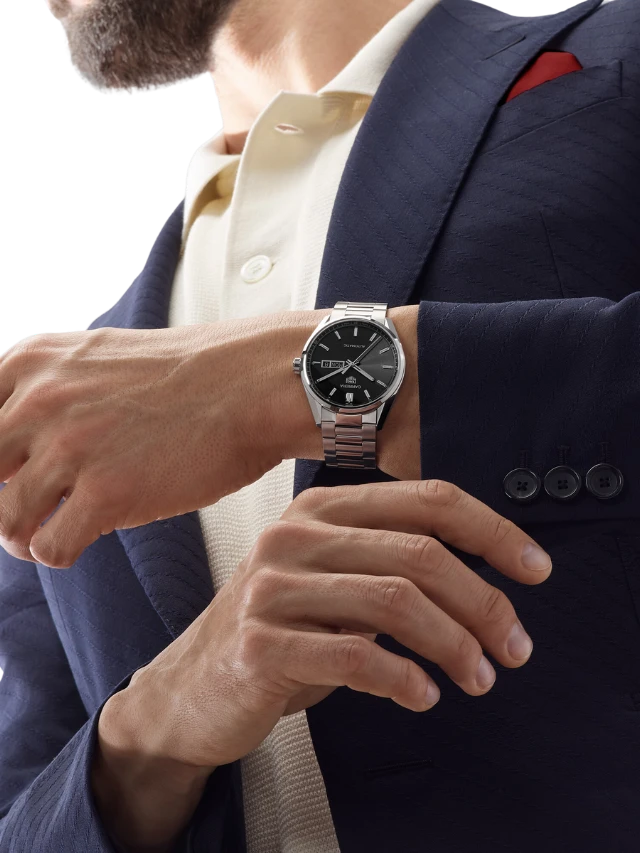
A motorsport heritage that traces back to the early twentieth century. The Carrera and the Monaco are the signature chronographs, both with histories tied to professional motor racing.
Each brand has its own story, its own collections, and its own corner in the boutique. Discover Our Collection at Time Avenue to see them in person.
Exclusive Brands Unavailable Elsewhere in India
This part of our guide to luxury watches matters most to collectors hunting pieces no other Indian retailer can offer. The Exclusive Brands portfolio is what really sets Time Avenue apart. These are independent watchmakers represented in India by Time Avenue alone, on display at our Bandra boutique.
HYT
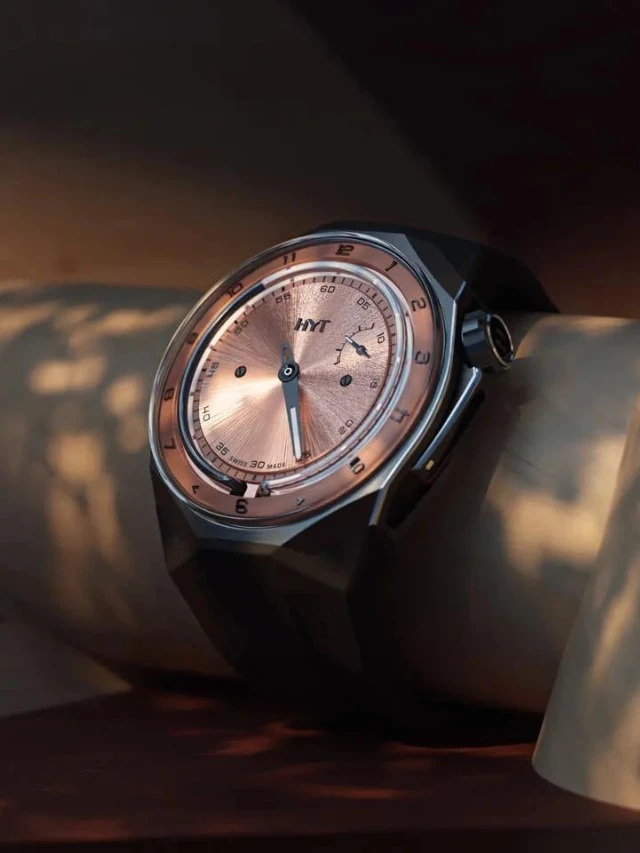
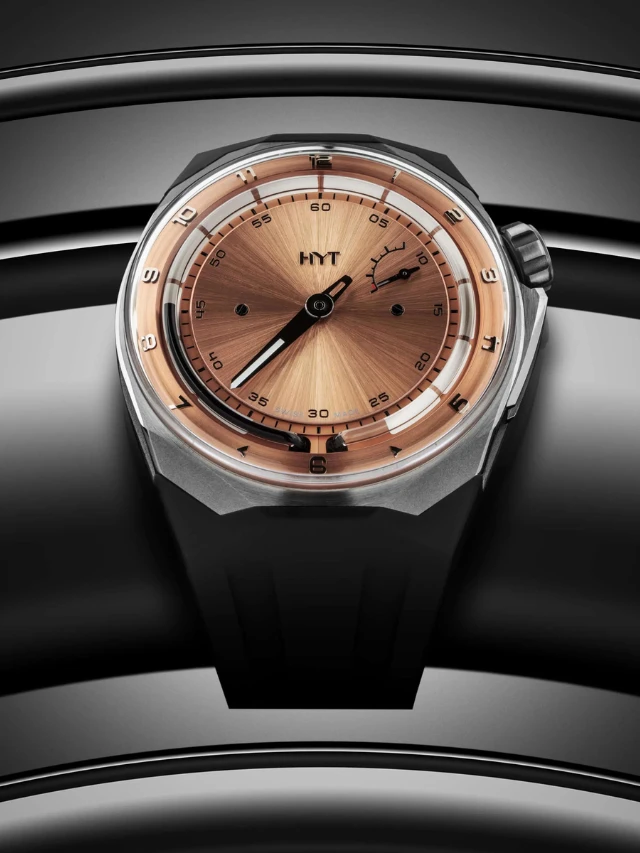
HYT is the fluid-driven watchmaker of modern haute horology. The maison pioneered a system where liquid travels through a transparent tube to indicate the hour. A traditional mechanical movement regulates the whole thing. We carry the T1 Series and the Hastroid at the boutique, both showcases of horology that does not look like horology.
Konstantin Chaykin
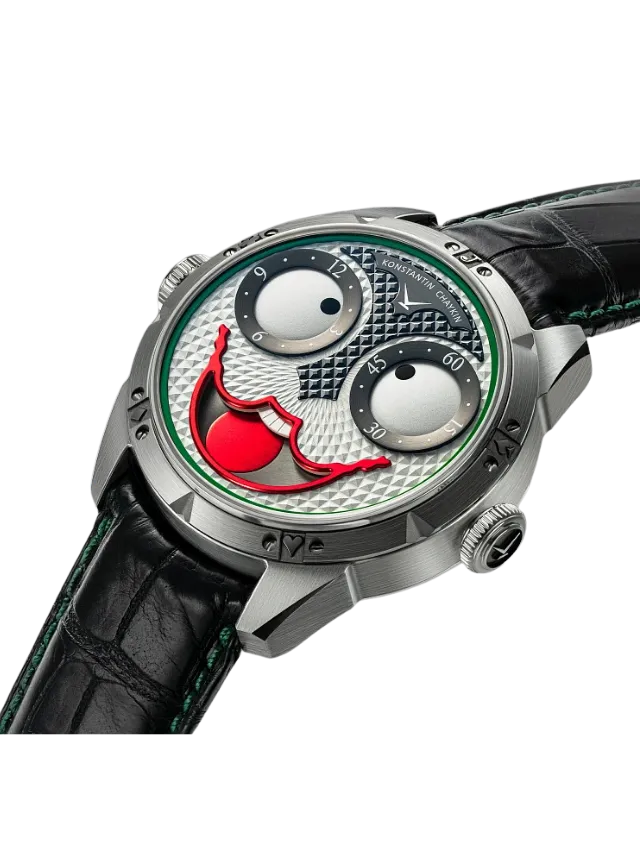
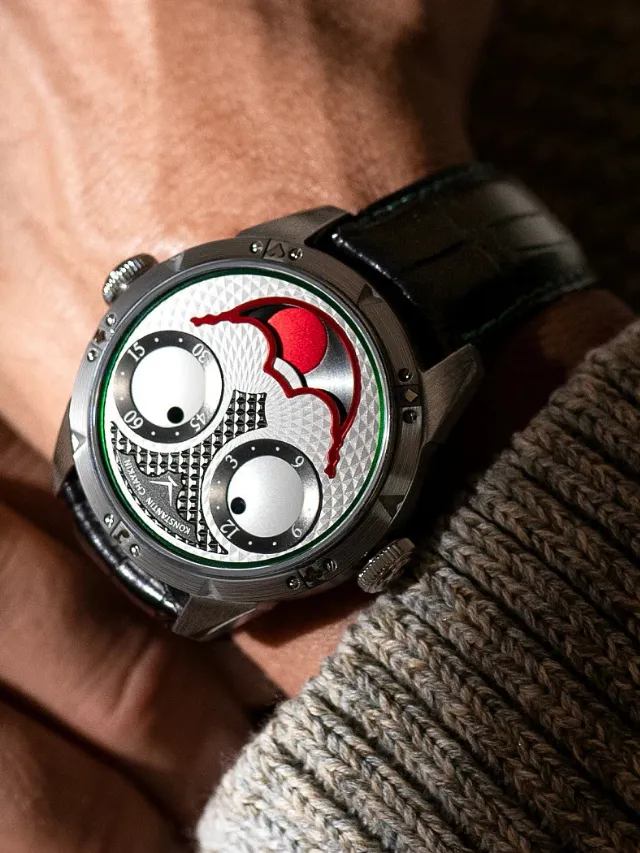
A Russian independent watchmaker whose Wristmons collection features animated faces, including the Joker, the Minions, and Dracula. Behind every playful dial sits some seriously inventive mechanical work. Time Avenue was the first to bring Konstantin Chaykin to Indian collectors.
L’Epée 1839
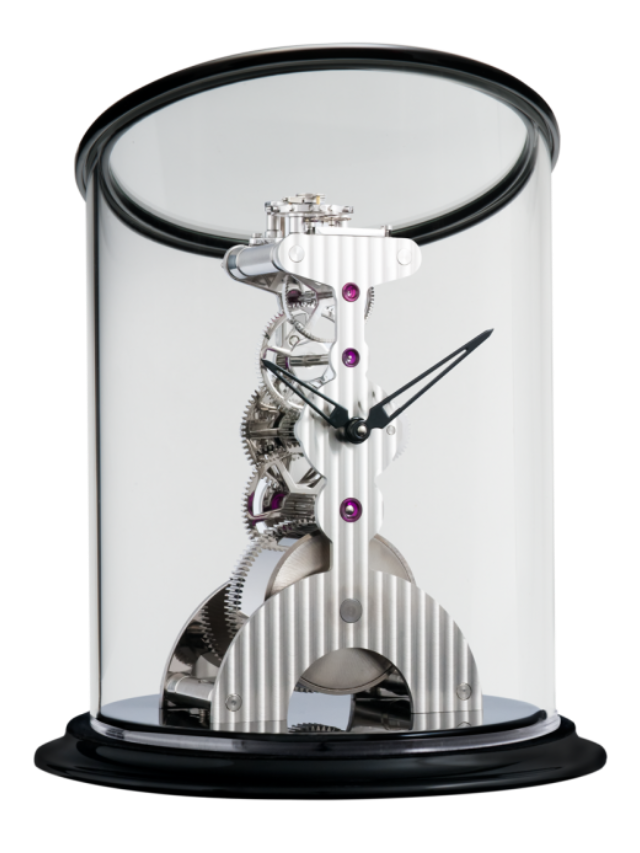
Almost two centuries of clockmaking, expressed as table clocks and kinetic art rather than wristwatches. The pieces suit collectors who already own wristwatches and want horology to live on the desk too. The L’Epée pieces in our Bandra display draw conversations from almost every visitor who passes them.
Manufacture Royale
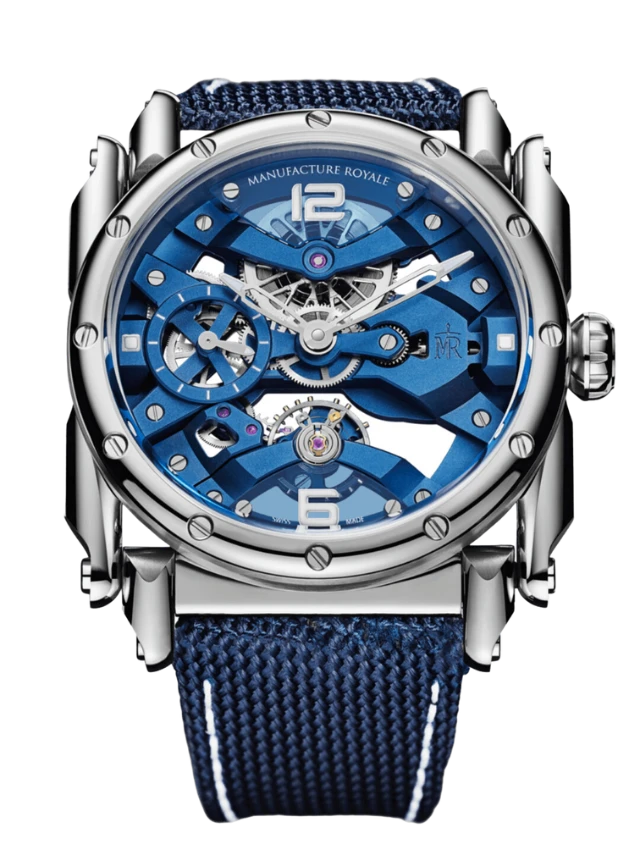
A maison with eighteenth-century roots, originally founded under Voltaire’s patronage and refounded in modern form. The focus is neo-classical haute horology, with tourbillons and minute repeaters housed inside contemporary cases. Time Avenue holds the brand’s India representation.
Purnell
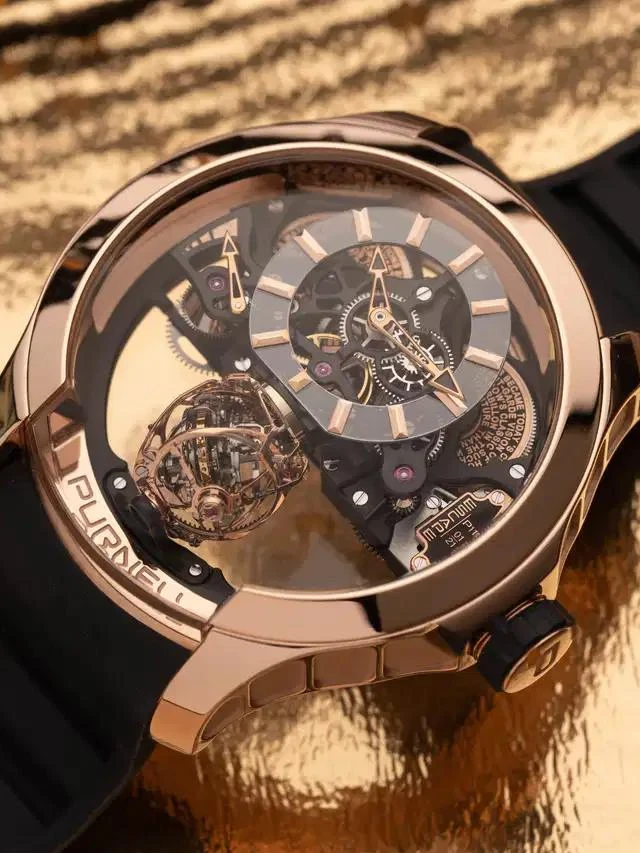
Triple-axis tourbillons that push the limits of mechanical engineering. The Escape II sits among the most complex tourbillon constructions in series production today. This is not a first watch. It is a destination piece, and Time Avenue is its only Indian home.
Reuge
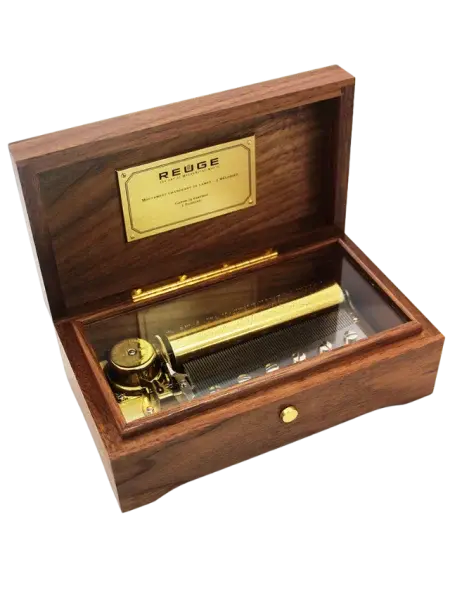
Swiss music boxes and singing-bird automata, with a heritage that goes back to 1865. Reuge brings mechanical artistry beyond timekeeping. It is a whole category of horological craft that Time Avenue alone offers in India.
How to Choose Your Luxury Watch?
This is the section every guide to luxury watches has to get right. Choosing well starts with understanding yourself first, then the watches second.
Style and design
Start by identifying your aesthetic instinct. Do you lean traditional, or do you prefer something more contemporary? The Breguet Classique embodies the former. The Hublot Classic Fusion is a strong example of the latter. Both qualify as luxury timepieces of the highest order. The right one for you comes down to what you wear and where you wear it.
Functionality and intended use
Match the watch to how you actually live. Frequent flyers benefit from a Breitling Navitimer with its GMT capability. Divers, or anyone who simply spends time in the water, will find the Blancpain Fifty Fathoms built for them. For a formal boardroom, reach for the restraint of a slim dress watch.
Movement preference
Mechanical pieces ask for servicing every few years and reward you with craftsmanship you can feel through the crown. Quartz pieces ask for little and run with extraordinary accuracy. Neither is the right answer for every collector. Both are valid choices for the right wrist.
Investment perspective
We talk about long-term value in general terms. Limited editions and rare references from heritage maisons have a strong track record of value retention. Specific appreciation depends on the piece, the condition, and on the market. Any boutique that promises a return is overstating its hand.
Setting your budget
Budget is best approached as a conversation, never a number set in isolation. Our team will guide you toward a piece that fits both your taste and your means. The Time Avenue collection spans the full spectrum, from entry-level Swiss precision all the way up to haute horology.
Where to Buy a Luxury Watch? The Boutique Experience
Where you buy matters as much as what you buy. Time Avenue has been Mumbai’s authorised destination for fine watchmaking since 1998. Our official dealer relationships span over ten Swiss maisons. Our Exclusive Brands portfolio carries independents like HYT, Manufacture Royale, Purnell, and Konstantin Chaykin, brands no other Indian retailer offers. Authorized dealer status is not a label. It guarantees authenticity and full manufacturer warranty. It opens factory servicing through approved channels. And it grants access to limited editions that never reach the grey market. WatchTime India has profiled founder Viraal Rajan for his work shaping the country’s collector culture. Esquire India covered our Blancpain Fifty Fathoms collaboration, and Free Press Journal featured our Omega events.
Step inside our luxury watch store in mumbai at 189 Turner Road, Bandra West, and the first thing you notice is the absence of pressure. Reading only takes you so far before the watches need to sit on your wrist. A purchase at this level is a consultation. We talk through your wardrobe, travel, wrist size, and what you want the watch to say. Then we bring out the pieces that fit. Twenty-seven years of doing this has taught us something simple. The right watch is the one you keep reaching for, not the one easiest to sell.
Caring for Your Luxury Timepiece
Any complete guide to luxury watches has to close the loop on what happens after you buy. A fine watch lasts because someone looks after it well. The habits that matter most come down to servicing, storage, and daily handling.
Regular servicing
A mechanical timepiece benefits from a service every three to five years, depending on the brand and the movement inside. Time Avenue arranges servicing for the swiss watches brands in India we represent through their authorised channels. The piece returns to your wrist in factory condition.
Storage and handling
Store the watch in a soft-lined box when it is off your wrist. For an automatic piece, a watch winder keeps the movement running between wears. Buben & Zorweg make storage solutions for exactly this purpose, and we carry them. Keep watches away from strong magnetic fields and extremes of temperature.
Materials and daily care
Wipe leather straps and metal bracelets with a soft cloth from time to time. Leather wears with the years and is best replaced before it cracks. Metal bracelets pick up residue between the links and respond well to gentle cleaning.
Frequently Asked Questions
1. What defines a luxury watch?
A luxury watch combines a hand-finished mechanical movement, precious or technical materials, and the heritage of a recognised maison. Prices typically begin in the mid five-figure range in rupees. Hand-finishing and brand provenance separate luxury from premium.
2. What is the difference between a mechanical and a quartz watch?
Mechanical watches run on a wound mainspring and a regulated escapement, with no battery. Quartz watches use a battery and a vibrating crystal. Collectors value mechanical pieces for craftsmanship and quartz pieces for accuracy.
3. How much should you spend on your first luxury watch?
Treat your first piece as a long-term acquisition, never a stretch purchase. Set a budget that fits comfortably within your means. Our team will guide you to the right piece at the right level.
4. Why are luxury watches considered an investment?
A serviced luxury watch holds its value across decades. Limited editions and heritage references often appreciate over time. Buy first for love of the piece. Long-term value follows as a welcome second consideration.
5. How often should a luxury watch be serviced?
Most mechanical watches benefit from a service every three to five years. Quartz pieces ask for less attention, generally a battery change every two to three years.
No luxury watch guide can replace the moment a fine timepiece sits on your wrist for the first time. Your collection begins with the right first piece, chosen well. Book an appointment at the Time Avenue boutique in Bandra West.